

Lessons from Duke: How Alumni and AI Are Transforming Career Services


Introduction
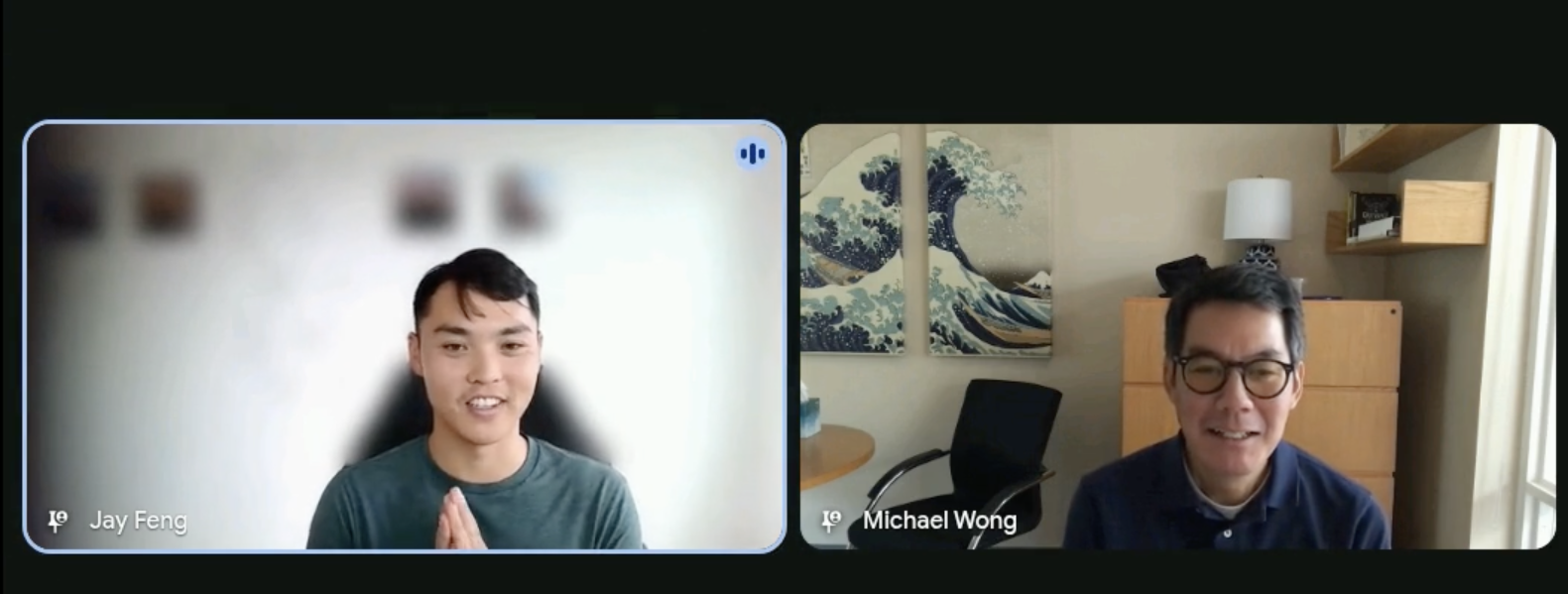
When Michael Wong joined Duke University’s Master of Quantitative Management (MQM) program, he noticed something curious.
Despite their strong technical skills, many students—especially international ones—struggled not because of the analytics, but because of the interviews. The soft-skill moments. The “tell me about yourself” questions that decide everything in the first five minutes.
Interviewers often make up their minds within minutes. If that small talk feels stiff, it doesn’t matter how solid the behavioral answers are later. That insight led Duke to rethink how career services could prepare students—not just with content, but with confidence.
1. Helping International Students Master the First Five Minutes
Duke’s analytics program has a large international student population. Michael saw how cultural differences made small talk and self-introduction feel unnatural.
So, he made it mandatory.
Every student now takes a required session where they practice small talk and “tell me about yourself” stories, role-playing with peers. Alumni are invited to volunteer for mock coffee chats so students can rehearse in low-pressure settings.
Michael explained that Duke alumni were eager to help and that around seventy volunteered to practice with students so those first minutes in interviews would feel natural. The result is more confidence, better engagement, and stronger impressions with recruiters.
2. Building Peer Support with Cultural Context
When Michael looked deeper at engagement data, he found that Chinese students were less likely to attend coaching sessions or ask for help.
The reason was simple: many saw job hunting as a zero-sum game—helping a peer meant reducing their own chances. They were more open to getting help from alumni who had already secured jobs.
To address this, Duke piloted a mentor program with Chinese MBA students who had recruited in the U.S. That cultural pairing made a difference. Students felt more comfortable opening up to mentors who understood both sides of the recruiting experience. This year, Duke is formalizing the model and compensating MBA mentors to ensure consistent engagement.
3. Using AI to Scale Career Coaching
Michael’s next experiment moved beyond mentorship—into AI.
He built custom GPT tools for students using Duke’s historical placement data. Students upload their resumes, list their strengths and interests, and the AI recommends five to ten roles and companies that Duke graduates have actually landed.
He called it the MQM Career Advisor, describing it as a personalized recommendation engine built on real offer data. Another GPT, called the Alumni Connector, helps students find graduates working in those companies, complete with LinkedIn links. That bridges discovery and networking in one step.
The tools are built in-house using Duke data and refined through student feedback. Because they’re tailored to the school’s outcomes, they feel more like a mentor than a chatbot.
4. What AI Should Not Replace
For all the excitement, Michael’s biggest takeaway was caution.
He warned that AI is terrible at writing cover letters because they sound robotic and employers can tell. He also noted that over-optimized resumes—those that match job postings too perfectly—can trigger AI screening systems and get flagged as inauthentic.
The lesson for students and career teams is clear: AI can scale guidance, but it can’t replace authentic human stories.
5. The Role of Alumni in the AI Era
Alumni remain the most reliable bridge between data and opportunity. Referrals now make the difference when hundreds of applicants use similar AI-assisted resumes.
Michael emphasized that referrals aren’t just about big tech anymore. Students have better chances at mid-sized firms where alumni can directly influence hiring.
At Duke, the data-driven alumni network now complements AI tools—blending personal connection with structured insight.
Final Takeaway: Data Meets Empathy
What stands out about Duke’s approach is how human it remains. The tools, mentorships, and experiments all orbit one idea: helping students connect their skills to people who believe in them.
For career directors, it’s a glimpse of what the next chapter of student support looks like—part analytics, part alumni, part empathy.
Interested in building your own AI-driven career service tools?
Book a call with Interview Query to explore how we help universities design smarter, data-powered solutions for student outcomes.