

New BCG/MIT Study: 76% of Leaders Call Agentic AI Colleagues, Not Tools


Agentic AI’s Shift from Tool to Teammate
Beyond something that workers simply use, artificial intelligence tools are increasingly becoming something they work with.
AI is clearly blurring the line between human and technology in the workplace, and nowhere is that clearer than in the rise of agentic AI: systems that can plan tasks, execute multi-step workflows, and adapt based on outcomes. As companies deploy these agents into everyday operations, executives are starting to treat them less like software and more like collaborators.
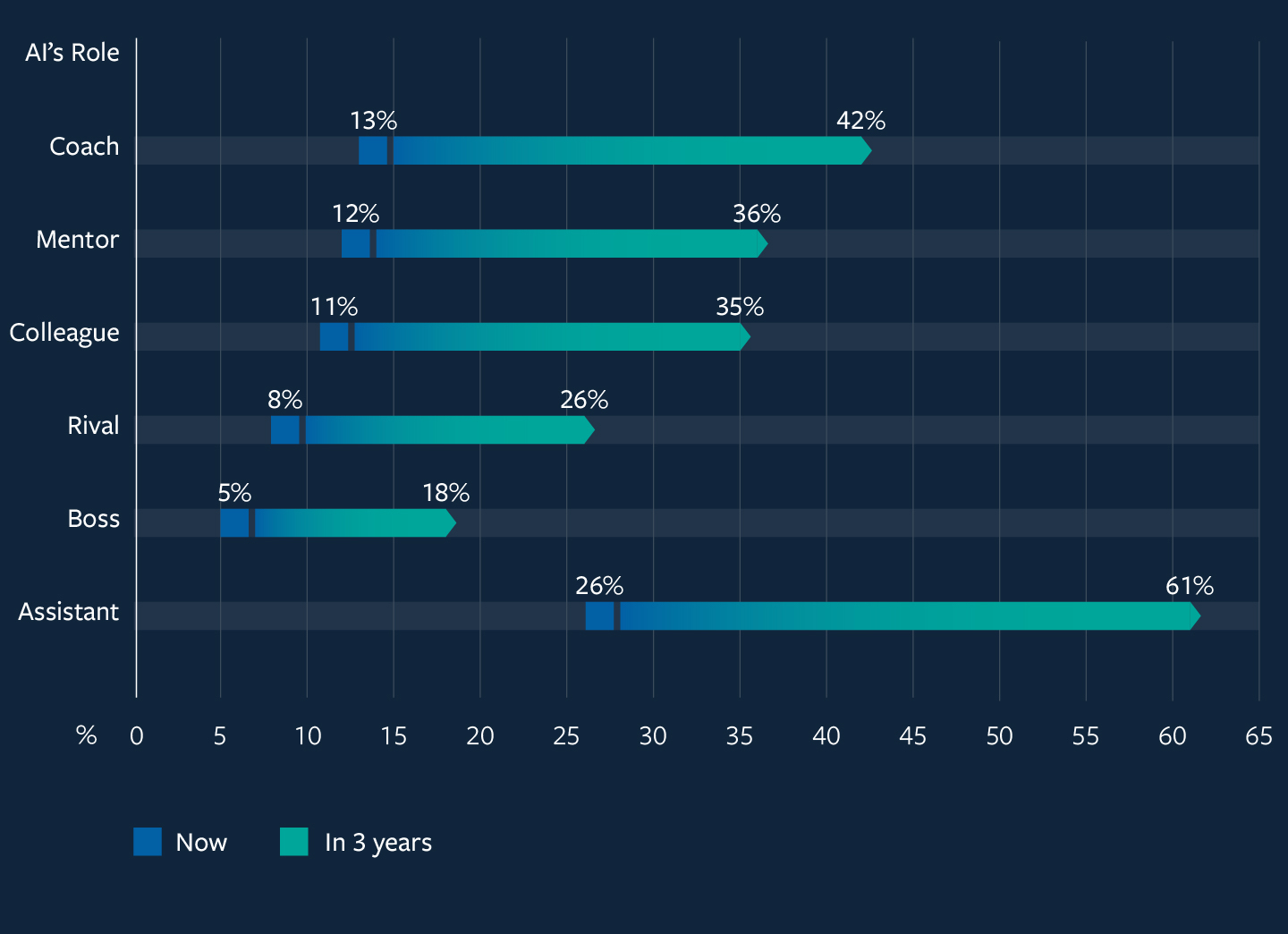
A new BCG and MIT Sloan study underscores just how fast that shift is happening: 76% of leaders already describe agentic AI as a “coworker,” not a tool—a remarkable reframing for technology still in its early adoption phase.
Unlike generative AI chatbots such as ChatGPT, which respond to prompts, agentic AI takes initiative on behalf of users: scheduling meetings, generating reports, triaging data, and even coordinating across systems. The shift marks a broader change in how organizations think about human–machine collaboration.
Key Insights on Adoption & Management
According to the same BCG/MIT analysis, 35% of companies have already begun exploring agentic AI, while another 44% plan to deploy it soon. With nearly four out of five enterprises expecting to incorporate agents into their operations, early adoption becomes a strategic differentiator.
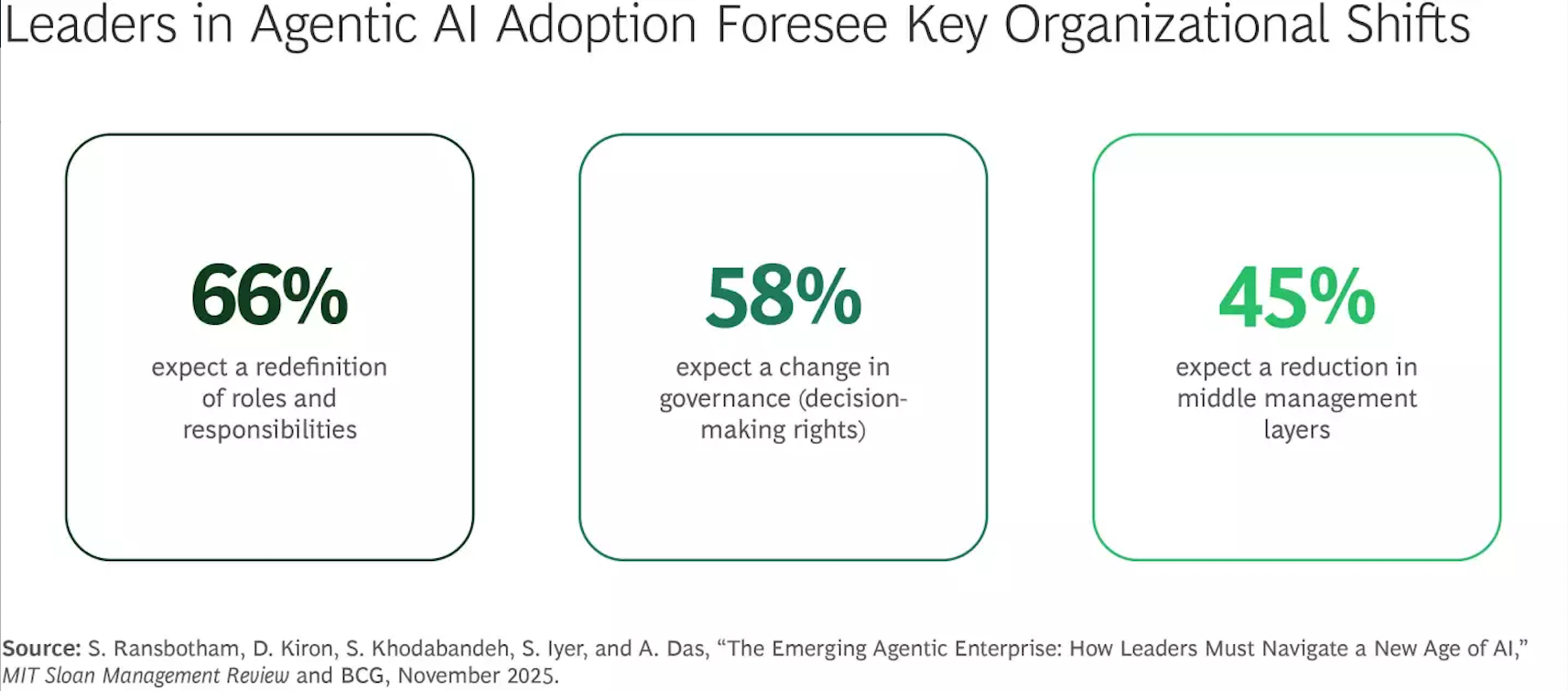
But organizations are struggling to keep pace with the management implications. The report notes that most companies have yet to redesign workflows, governance structures, or talent plans to support autonomous agents.
An EY survey from September 2025 also found that only 14% of organizations have implemented full-scale adoption of agentic AI, shedding light on the lack of preparedness for the technology’s demands. Such insights are supported by an earlier Wharton study. While it focuses on genAI, it also emphasizes the value of more disciplined adoption to truly capture the business impact of such AI technologies, transforming them beyond buzzwords and marketing fluff.
Thus, leaders are realizing shifting from tools to “teammates” requires new oversight models: clearer rules for when agents act independently, human-validation checkpoints, audit trails for decision-making, and more intentional cross-functional coordination.
As adoption grows, the ability to not just deploy but, more importantly, operationalize agents will become a major competitive boundary.
What Agentic AI Transforms in the Workplace
At the task level, agentic AI is already reshaping how work gets done. Multi-step, repetitive workflows, like preparing drafts, synthesizing datasets, managing calendars, and routing requests, are increasingly handled by agents running in the background. This elevates the role of humans from direct task executors to supervisors, reviewers, and strategic decision-makers.
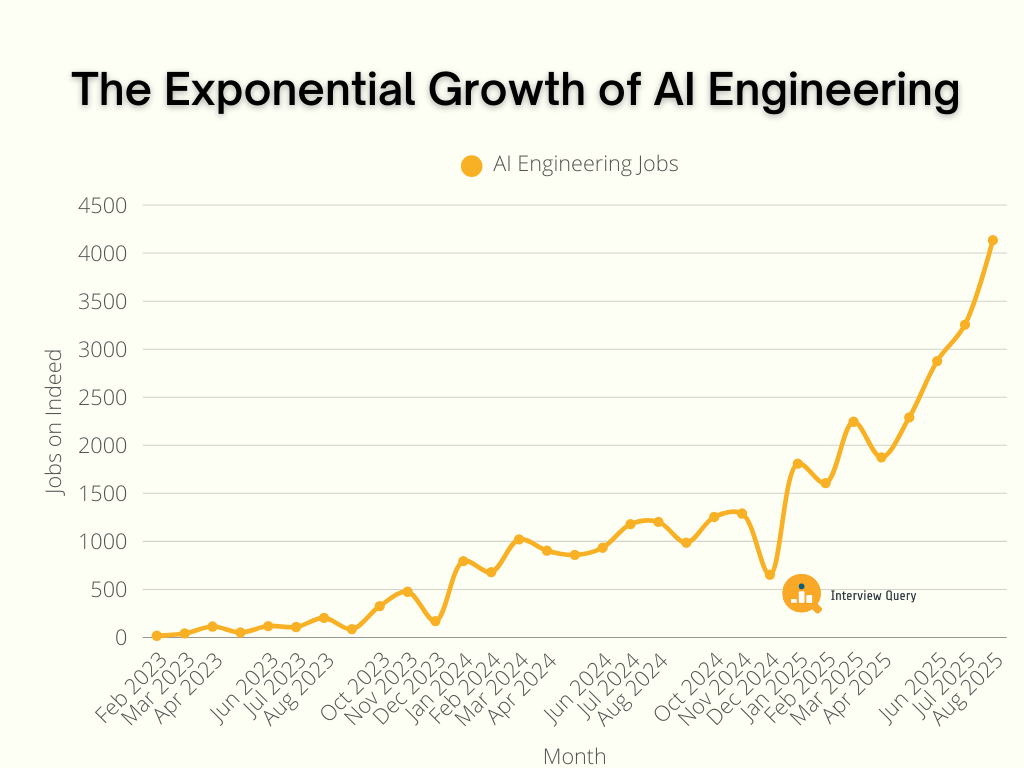
This shift is also reshaping which skills matter. Demand is rising for AI orchestration, prompt engineering, model auditing, and judgment-driven oversight. Engineers in particular are seeing their roles evolve. As covered in a previous article on AI engineering job growth, demand for the role has surged, as companies seek talent capable of integrating, tuning, and governing agentic systems.
But the transition comes with real risks. Agents can still hallucinate, mis-route data, or misinterpret goals, making “human-in-the-loop” guardrails all the more essential. For instance, Deloitte recently refunded part of a government contract after AI-generated content in a deliverable was found to contain fabricated citations, a reminder that automation can amplify errors when unchecked.
Organizations that define validation rules early and build AI-QA roles into workflows are thus the ones capturing the most value while minimizing risk.
What’s Next for Tech Workers and the Broader Workforce

Tech workers must continue watching the era of agentic AI, as it means their tasks significantly move from writing features to architecting and supervising autonomous systems.
Skills in ML literacy, policy design, workflow orchestration, and AI lifecycle management will define the next generation of engineering careers. Those who adapt will increasingly find themselves guiding agents, serving as a testament to MIT’s findings that AI will become more like an assistant or colleague than a rival in the workplace.
Meanwhile, for non-technical workers, the shift is no less significant. Many repetitive tasks will be delegated to agents, allowing employees to focus on higher-judgment responsibilities like decision-making, relationship management, and exception handling. However, reskilling and redeployment support remain essential to ensure workers keep pace, especially in the age of AI-driven layoffs.
Ultimately, companies that match fast adoption with robust governance and investment in people will capture the greatest upside. And it is up to workers to learn and adapt in a workplace where digital coworkers now sit quite literally beside them.