
Nvidia CEO Reveals the Job That’ll Win the AI Race


The AI Race Just Took a Weird Turn
AI is supposed to be the great equalizer — automating mundane tasks and making humans more efficient.
But lately, the AI race feels less like innovation and more like a countdown to who’s getting replaced first.
A report from U.S. Senator Bernie Sanders’ office paints a pretty grim picture: automation and AI could wipe out nearly 100 million jobs. That includes everyone from teachers and nurses to accountants and truck drivers. Fast-food workers will be the most affected, as nearly 90% of those jobs could vanish.
So you’d think the people building the AI — the engineers, the coders, the data scientists — would be safe, right?
According to Nvidia CEO Jensen Huang, not exactly.
“The Winners of the AI Race Won’t Be in Tech”
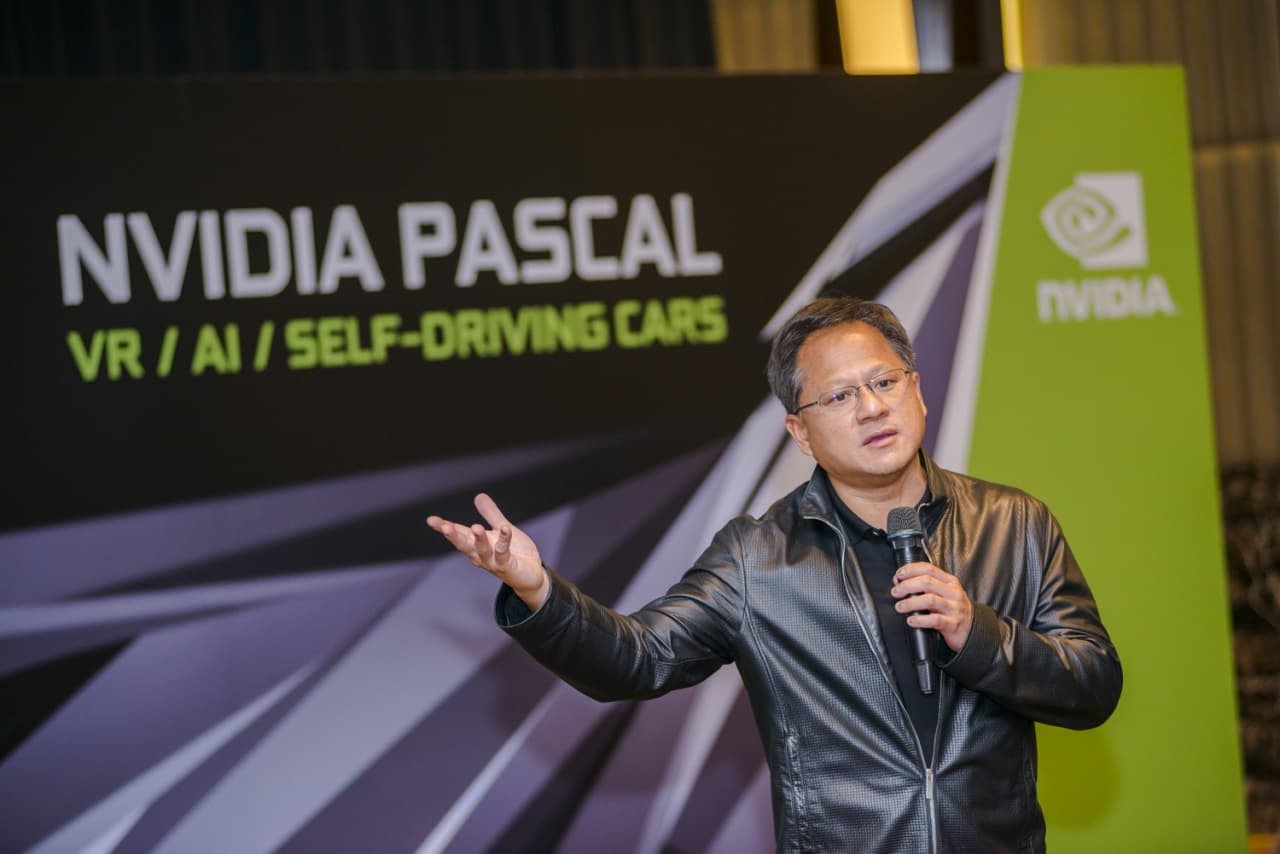
In an interview with Channel 4 News UK, Huang didn’t mince words: the jobs that will actually win the AI race aren’t in Silicon Valley. They’re in the trades.
“Electricians, plumbers, and carpenters — those are the people who will benefit the most,” Huang said.
Huang’s prediction is tied to the fact that AI data centers — the backbone of the entire industry — need people to build them. These people will not be the office workers or tech professionals, but blue-collar workers in the skilled craft segment.
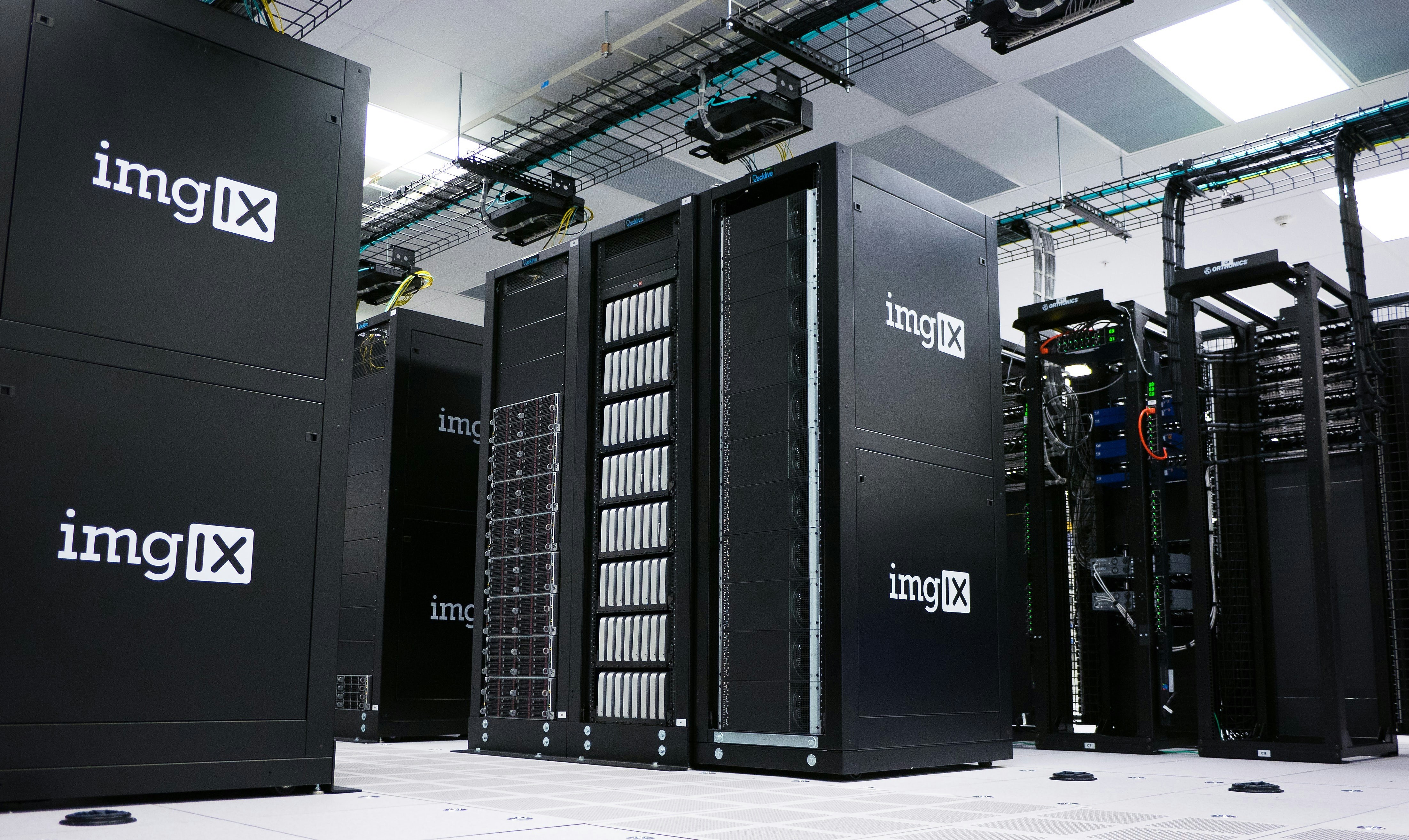
To put it into context, a single 250,000-square-foot data center can require up to 1,500 construction workers during the build. Multiply that across thousands of facilities worldwide, and you get a multi-trillion-dollar boom. In fact, global capital spending on AI data centers ia projected to reach $7 trillion by 2030 — meaning the demand for skilled trades might outpace anything in tech.
The significance of blue-collar jobs also equates to financial stability, as they could easily get paid up to $100,000+ a year, plus overtime.
Tech’s Next Problem: Who’s Going to Build All This?
Even if Huang’s prediction sounds like a blue-collar victory lap, there’s a big catch: there aren’t enough skilled workers to meet the coming demand.
Larry Fink, CEO of BlackRock, warned about this gap in skilled workforce earlier. He pointed to a critical labor shortage — one made worse by strict immigration policies and a decades-long push for everyone to get a college degree instead of a trade certification.

But there’s a shift happening. A 2025 report by Jobber found that 77% of Gen Z say they want jobs that are hard to automate. In other words, they have their eyes set on jobs less likely to be replaced by AI: electricians, plumbers, and carpenters.
Vocational schools are seeing this welcome change, too. Spring enrollment is up 12%, compared to the 4% increase in university enrollment.
Clearly, more and more young people are realizing that coding might not be the only “future-proof” skill out there.
The Irony of the AI Era
According to new research from Yale’s Budget Lab, AI has yet to disrupt the job market significantly. But what’s clear is that while it isn’t destroying all jobs, it’s rearranging the hierarchy.
White-collar roles might still exist, but the spotlight is shifting to the people who physically make AI possible.
We’ve spent years glamorizing startups and software. Now the future might belong to the folks with hard hats and tool belts.
Without a doubt, blue-collar workers might just beat coders in the AI race.
And if Jensen Huang’s right, the next AI boom is not in tech, but in the field where AI data centers are built.