
Microsoft AI Chief Says “Vibe Coding” Is the Future, But Critics Warn of Open Source Fallout


The “Vibe Coding” That’s Suddenly Everywhere
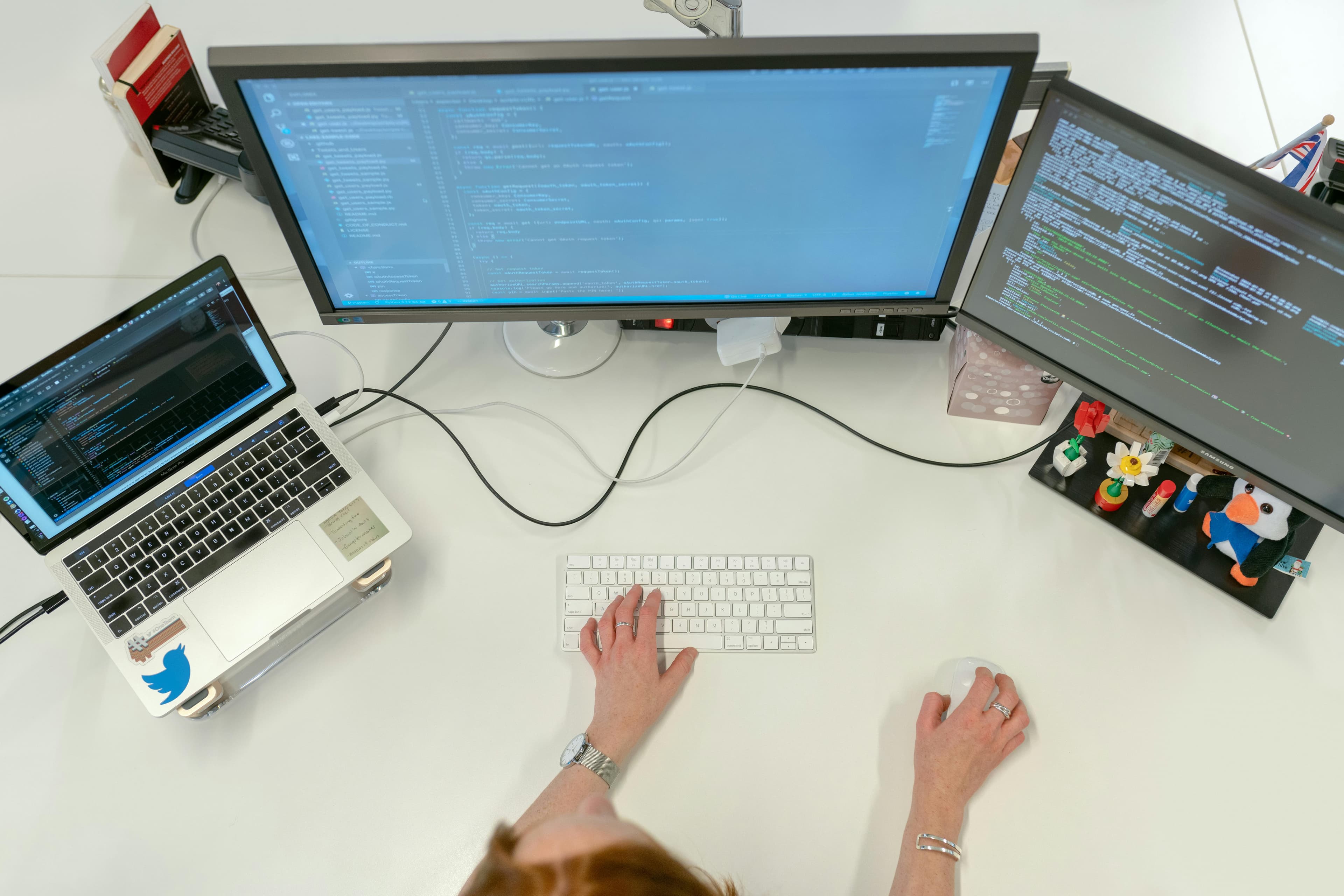
If it feels like everyone in tech is suddenly talking about “vibe coding,” that’s not an accident. Microsoft AI CEO Mustafa Suleyman recently described a future where developers don’t write much code at all. Instead, they describe what they want to build, and AI generates most of the software. The human role shifts from typing syntax to steering, refining, and approving outputs.
This idea is taking off now, as large language models are deemed good enough to produce usable code at scale. At the same time, Big Tech and startups alike are under pressure to ship faster with fewer engineers. Since vibe coding doesn’t necessarily translate into no-code or full automation, engineers are still responsible for architecture, logic, and outcomes.
As vibe coding changes how software is built, that’s where the tension starts. To some leaders, this is the future of development. But to critics, it threatens the foundations that modern software is built on.
Big Tech Thinks Vibe Coding Is the Future of Software
From the perspective of Big Tech, the appeal is obvious. Vibe coding promises faster prototyping, quicker iteration, and smaller teams shipping more functionality. Instead of weeks spent building internal tools or MVPs, companies can spin them up in days by prompting an AI and refining the output.
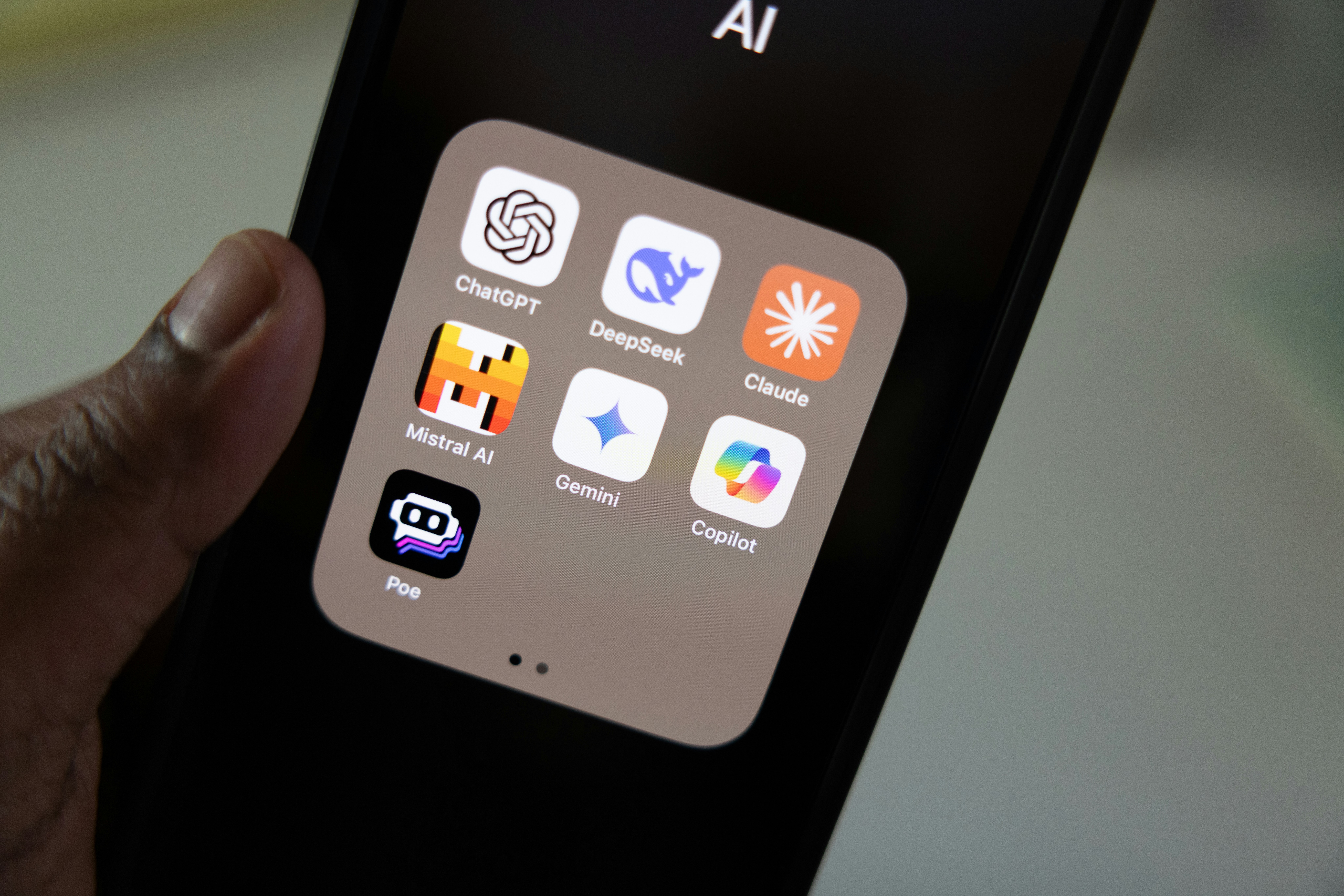
Microsoft’s broader strategy makes this clear. Beyond being a mere add-on, AI is becoming the interface for software creation itself. In this model, apps are less like handcrafted products and more like AI-assembled systems that can be generated, modified, and discarded as needs change. That has serious economic implications of lower engineering costs and higher output per developer.
This shift also fits a broader industry trend. AI copilots are already becoming default tools, and coding is slowly moving from pure writing to supervision and review. As covered in a previous article, even leaders like Google’s CEO have praised vibe coding, framing it as a way to make software development more democratized and accessible. From that lens, AI-assisted coding becomes a leverage.
The Open Source Backlash
However, researchers and open-source advocates argue that vibe coding risks hollowing out the ecosystem that made modern software possible in the first place. The biggest concern is structural. AI models are trained heavily on open-source code, but they don’t contribute back.
If fewer humans are writing, maintaining, and improving shared libraries, open source becomes something AI consumes rather than a community people actively build. Furthermore, the study Vibe Coding Kills Open Source, published on arXiv, points out how vibe coding is not economically sustainable, citing the reduction in the revenue base for open-source software provision.

Critics also point to practical risks. When developers rely heavily on AI-generated code, fewer people deeply understand how systems work end to end. That can increase technical debt, obscure bugs, and create security vulnerabilities that are harder to detect.
So, while, open source has always depended on participation, where people read code, question decisions, and fix edge cases together, the long-term quality of software can suffer if this participation drops and more and more people turn to vibe coding instead.
In other words, the fear isn’t that open source disappears overnight. It’s that it slowly stagnates while proprietary, AI-driven tooling pulls talent and attention away.
What Vibe Coding Means for Junior Developers and Hiring
This debate has significant implications for tech workers, especially those early in their career. Junior developers traditionally learned by writing lots of code; whether they’re fixing bugs or building features, that repetition slowly builds intuition.
But vibe coding could reduce the number of those “easy” tasks, while raising expectations around judgment, system design, and review skills much earlier.
That creates real risks on entry-level pathways in software development, while also widening the gap between senior and junior engineers in terms of skillset and hands-on knowledge. Top AI tech companies are already seeing this unfold, such as Anthropic’s internal research on AI skill erosion among engineers. With 27% of work done by AI, the company’s findings suggest that over-reliance on AI can weaken foundational skills if guardrails aren’t in place.
Workplace dynamics are also shifting toward fewer builders and more reviewers, which isn’t always beginner-friendly and sustainable for collaboration and talent pipelines.
The counterpoint is equally important, though. Juniors who learn to work with AI by understanding its limits and knowing how to refine its outputs may stand out faster than those who only focus on raw coding volume. Evidently, the skill mix is changing, and adaptability matters more than ever.
Is This the End of Coding As We Knew It?
The reality is probably less extreme than either side claims. Vibe coding is likely to become common, but not universal. High-stakes systems, from financial platforms to infrastructure and safety-critical software, will still require deep engineering expertise and human accountability. Speed alone isn’t enough; engineers and developers, regardless of level, must be able to understand what’s happening under the hood.
In this era of vibe coding, this is why core computer science skills are becoming more important, not less. Data structures, algorithms, system design, debugging, and tradeoff analysis are what let developers build with AI or without it. These fundamentals are what allow you to question AI output, spot hidden failure modes, and make informed decisions instead of blindly accepting suggestions.
The same shift is already evident in interviews. Companies aren’t just testing whether you can write code anymore, but also testing whether you understand systems well enough to reason about them, some with AI tools even layered into the process. In that sense, code literacy continues to be crucial. It’s who has the foundational skills to stay in control, with or without AI, who will thrive amid these industry developments.