
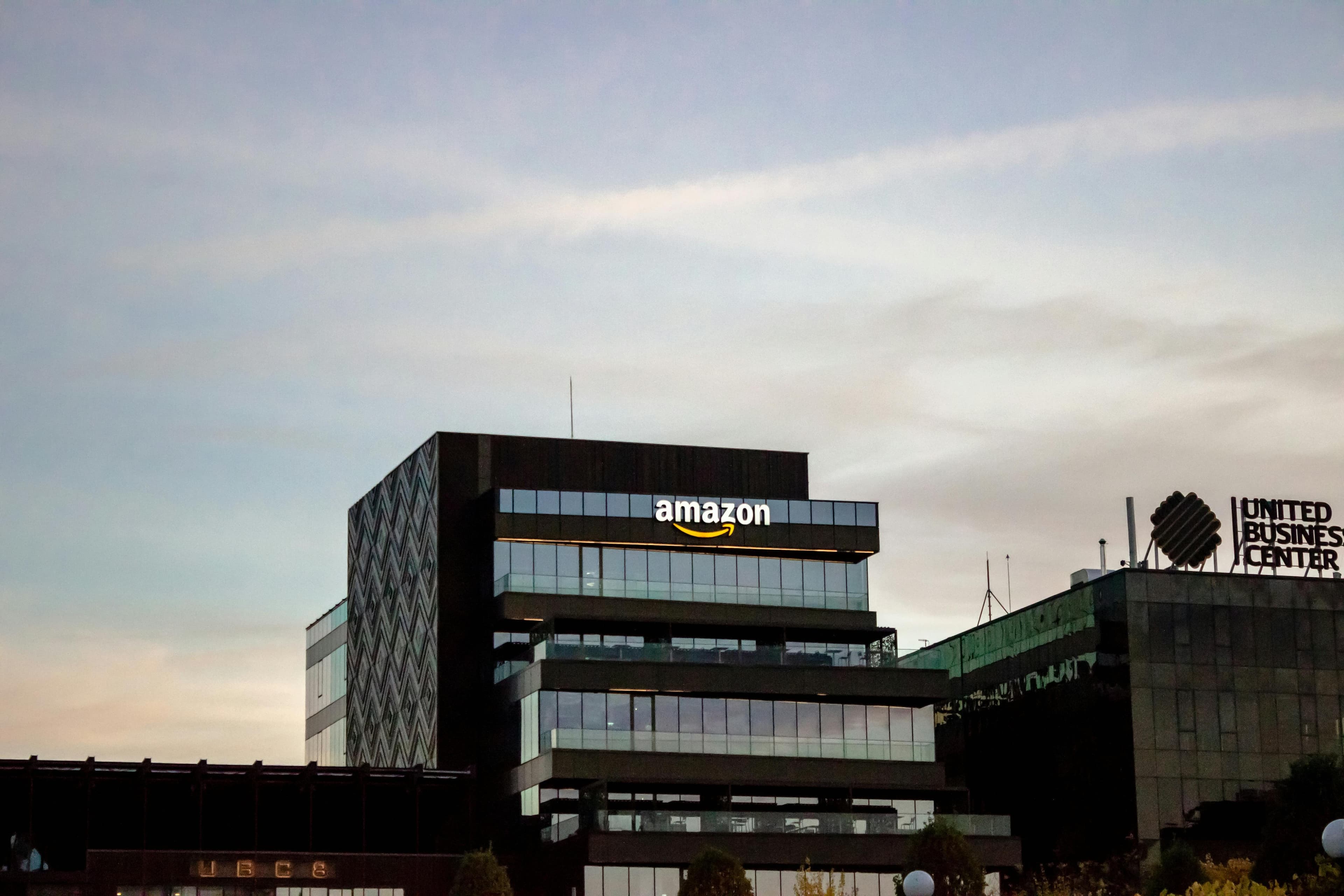
Amazon Escalates Return-to-Office Push by Tracking ‘Low-Time’ Employees


The Return-to-Office War Continues
For many workers, the return-to-office (RTO) era has felt less like a policy shift and more like a prolonged standoff. Employees comply to mandates for in-office days, but often reluctantly. The tension has become a familiar part of post-pandemic work life, especially for workers in the technology sector.
According to recent Business Insider reporting, Amazon is escalating its RTO tactics by going beyond encouraging or requiring office attendance. Instead, it’s been rolling out internal dashboards that tracks and flags time spent in the office. Employees who spend less time in the office than expected can reportedly be labeled “low-time badgers.”
This matters beyond Amazon. It signals a shift from RTO as a broad policy to RTO as a measurable signal, which may eventually influence performance conversations, career progression, or hiring decisions.
From Policy to Metrics: How Office Presence Is Being Measured
In line with this new RTO policy, Amazon uses internal dashboards that track employee badge swipes to measure how often workers are physically present in the office. These dashboards reportedly flag employees whose in-office time falls below expectations, categorizing them as “low-time” attendees. Also included are “zero badgers” who don’t badge during a rolling eight-week period, and “unassigned building badgers” who badge and work in a building apart from the one they’re assigned to.
What’s still unclear, and even more so, crucial, is how directly this data affects formal performance reviews, promotions, or terminations. While Amazon has not publicly stated that these metrics are tied to firing or compensation, visibility alone can be powerful. When attendance data is aggregated, labeled, and shared, it inevitably shapes behavior.

Culturally, dashboards change the nature of expectations, transforming guidelines into metrics. And what gets measured tends to become what matters in professional expectations like compensation, retention, and promotion. In this case, office presence shifts from a logistical requirement to a performance signal, even if unofficially.
This reflects a broader trend in tech and corporate management; data-driven oversight is expanding beyond output and results into behavior and presence. The same analytics mindset used for productivity, delivery timelines, and utilization is now being applied to where work happens.
Implications for Tech Workers
A common reaction to this new policy is that it feels less like collaboration and more like surveillance. Another significant concern is that presence does not equal productivity. Engineers and knowledge workers have long been evaluated on output: shipped features, resolved incidents, delivered projects. Yet badge swipes don’t capture focus, quality, or impact.
There’s also a growing fear of quiet penalties. Even if attendance metrics aren’t officially tied to performance today, workers worry they could subtly influence manager perceptions tomorrow.
Perhaps most importantly, these systems can erode trust. Tech has historically prized autonomy, flexible schedules, and asynchronous work, especially for roles that require deep concentration. Dashboards that track physical presence can feel like a reversal of those norms.
Notably, even if tech workers are not necessarily against returning to office and value in-person collaboration, the discomfort comes from how enforcement is structured. Rather than clear, outcome-based expectations, they’re met with opaque metrics that can fundamentally change their workplace attitudes.
Amazon Isn’t Alone, But It’s Setting a Precedent

Amazon is far from the only company pushing for stricter RTO compliance. Across Big Tech, hybrid mandates have become common. In the past year, Samsung ordered a five-day office return and cracked down on lunch/coffee badging, while Dell has been similarly tracking in-office attendance via badge swipes.
What sets Amazon apart is the explicit quantification of office presence at scale. Because of Amazon’s size and influence, its practices often become reference points for the industry. Hiring managers, HR leaders, and executives elsewhere pay attention. If attendance dashboards become normalized at one of the world’s largest tech employers, they may spread.
The ripple effects become visible, starting at the hiring process. Candidates may begin to ask different questions in interviews—not just “Is this role hybrid?” but “How is attendance tracked?” and “Does office presence factor into performance reviews?” Office time may quietly become another screening criterion in an already tight job market.
There’s also a broader implication for remote work as a benefit. If flexibility is increasingly monitored rather than trusted, its value and meaning change.
How Candidates and Employees Can Adapt
For job seekers and current employees, especially those considering Big Tech offers, the takeaway is straightforward: RTO policies are no longer just about location. Measurement and visibility matter.
Practical steps include asking clearer questions during interviews about how performance is evaluated, how flexibility works in practice, and whether attendance data is reviewed by managers. For current employees, understanding what is tracked and how it’s used can help avoid surprises and alleviate fears about job security and career progression.
It’s also important to reframe the debate. This isn’t about laziness or resistance to work. It’s about how modern knowledge work is defined and judged. Are employees evaluated on outcomes and impact, or on observable signals like presence?
Conclusion: A Changing Culture for Tech Workers
Amazon’s attendance dashboard may embody a deeper cultural shift. Employers are seeking predictability, control, and measurable compliance, while workers maintain their need for trust, autonomy, and evaluations based on impact.
The tension between those goals is now playing out in metrics, not memos. If companies want RTO to succeed long-term, transparency and outcome-based evaluation will matter as much as office mandates. For workers, understanding these shifts and their corresponding priorities is integral to not just surviving but also thriving in today’s ever-competitive job market.