
AI Was Meant to Free Workers, But Startup Employees Are Working 12-Hour Days


The AI Promise vs. Startup Reality
For years, the promise of AI revolved around eliminating the drudgery of routine tasks to allow human workers to spend more time on more complex, higher-level tasks. The pitch was that workers would work smarter, and even less, with AI responsible for drafting the emails, summarizing the documents, and writing code.
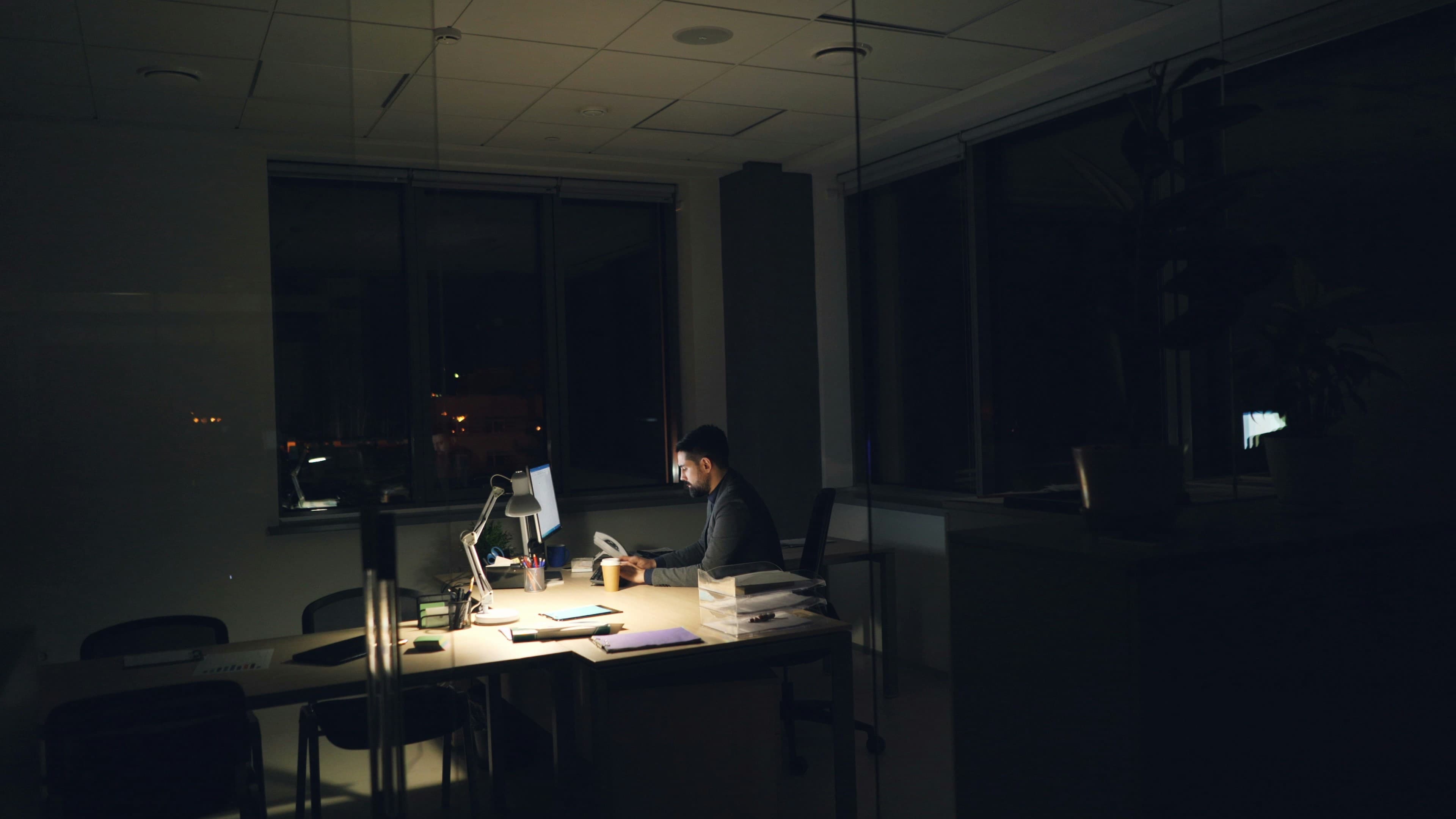
But a recent investigation by The Guardian tells a very different story. In its latest feature on AI startups in San Francisco, the outlet describes workers routinely pulling 12-hour days, all-nighters, and weekend shifts in an increasingly intense work culture.
There’s a paradox that lies underneath this. AI tools were meant to save time, yet in the startups building these very same tools, people are working harder than ever. As the tech sector emphasizes that AI is here to stay, this culture may have a lot to contribute to where work for the rest of the workforce is heading.
Looking into AI’s Brutal Work Culture
According to The Guardian’s reporting, the culture inside many AI startups has shifted from Silicon Valley’s old perk-heavy image to something more austere and more demanding.
Workers describe 12+ hour days as routine, with weekends being technically optional yet implicitly expected. There’s a “hardcore” ethos that rewards constant availability, compromising work-life balance.
Engineers in the piece speak about exhaustion, pressure to ship quickly, and a cultural expectation that intensity equals commitment. Instead of on-site amenities and perks like free lunches being the main draw, speed and output now dominate the conversation.

Overall, there’s no denying that AI startups operate in a hyper-competitive environment. As AI investments have reached record-highs in 2025 and continue to do so this year, the industry is characterized by aggressive fundraising cycles and rapid model releases.
Startups’ fear of being leapfrogged by rivals trickle down to the workers too, only it manifests as quiet anxiety about being replaced if growth slows. This especially rings true with many tech companies citing AI as the main factor for layoffs.
When timelines compress and investor expectations soar, long hours can become normalized fast. And once normalized, they’re hard to unwind. This doesn’t mean every AI startup is a burnout factory. But the pattern is visible enough in San Francisco’s AI boom to raise real questions about sustainability.
Why AI Work Still Feels Harder, More Intense
If AI tools genuinely improve productivity, why does the work feel more intense? Three dynamics help explain it.
The Need for Oversight
While AI may accelerate production, it isn’t perfect and still requires human responsibility. Developers still spend time being code reviewers and reviewers, as they debug models, verify outputs, manage edge cases, and handle overall system maintenance and monitoring.
Such instances also debunk the “vibe coding” myth that developers can simply prompt their way to finished products. In a previous Interview Query article about the concerns about vibe coding, it was revealed that nearly 1 in 3 developers report spending enough time fixing AI-generated code that it offsets the time savings. Thus, faster output doesn’t mean less work; it often shifts the work into review and correction.
Higher Expectations
Efficiency gains tend to reset baselines. If a feature can now be built in half the time, leadership doesn’t necessarily cut the deadline in half, and instead doubles the scope.
We’ve already seen similar patterns in previous research on “workload creep”, where AI adoption reduces friction per task but expands overall expectations. The faster you ship, the more you’re expected to ship, leading to longer work hours.
Competitive Culture
Lastly, it cannot be denied that startup culture has always celebrated hustle. But in AI, that culture is amplified by existential urgency. Founders talk about “moving at model speed”, while investors push for rapid iteration. Employees absorb the signal that intensity equals dedication.
These norms can quickly snowball into entrenched practice, especially in tight-knit tech hubs where everyone compares velocity.
The Broader Reality for Tech and the Rest of the Workforce
Long hours in tech aren’t new. Comparisons to “996” culture, i.e. working 9 a.m. to 9 p.m., six days a week, have circulated for years. Many in the industry strongly resist that model and actively advocate for healthier boundaries.
But AI adds a new layer through constant acceleration. When tools make it possible to iterate instantly, expectations often follow, whether that’s through Slack messages outside of office hours, rapid push cycles, or immediate model updates.
Meanwhile, AI is being marketed in other sectors like marketing and customer service triage as a workload reducer. The contrast is hence striking: outside the AI bubble, automation is pitched as relief. Inside it, innovation appears to demand more human intensity.
There’s also growing concern in workplace research about digital overload and employee well-being. When productivity tools enable perpetual responsiveness, burnout risks increase. If AI amplifies output without recalibrating expectations, the psychological toll could extend beyond startups into the broader workforce. This may explain why studies have regarded AI not as a time saver, but as a force multiplier for workload and pressure.
What Comes Next for Tech Workers
It’s important not to generalize all AI startups to have this hustle, growth-at-all cost culture, as there are still companies actively trying to build sustainability and maintain work-life balance. Some founders even openly push back against grind expectations.
However, for anyone considering a role in AI, this growing trend signifies that cultural questions matter as much as the compensation. During interviews and offer negotiations, it’s increasingly becoming crucial to ask about realistic working hours, how leadership defines work-life balance, and whether there are any guardrails around well-being concerns like burnout.
Moreover, work culture in tech rarely stays confined to tech. Norms pioneered in startups often ripple outward into consulting, finance, healthcare, and beyond. If the AI boom normalizes 12-hour days and constant urgency, that precedent could shape the future of knowledge work more broadly as more and more industries integrate AI into their workflows.
So while AI may still deliver efficiency gains, the open question is who benefits from them, and whether the time saved will ever truly return to workers. If the tools are supposed to free us, the next phase of innovation might not be faster models, but healthier norms around how we use them.