

Shubhangi Das Success Story: How She Landed a PM Role at ASOS


Overview
When Shubhangi Das moved from India to London for her MBA, she knew she did not just want any job in tech. She wanted a role that sat at the intersection of analytics, product, and strategy, where she could use data while also influencing decisions and roadmaps.
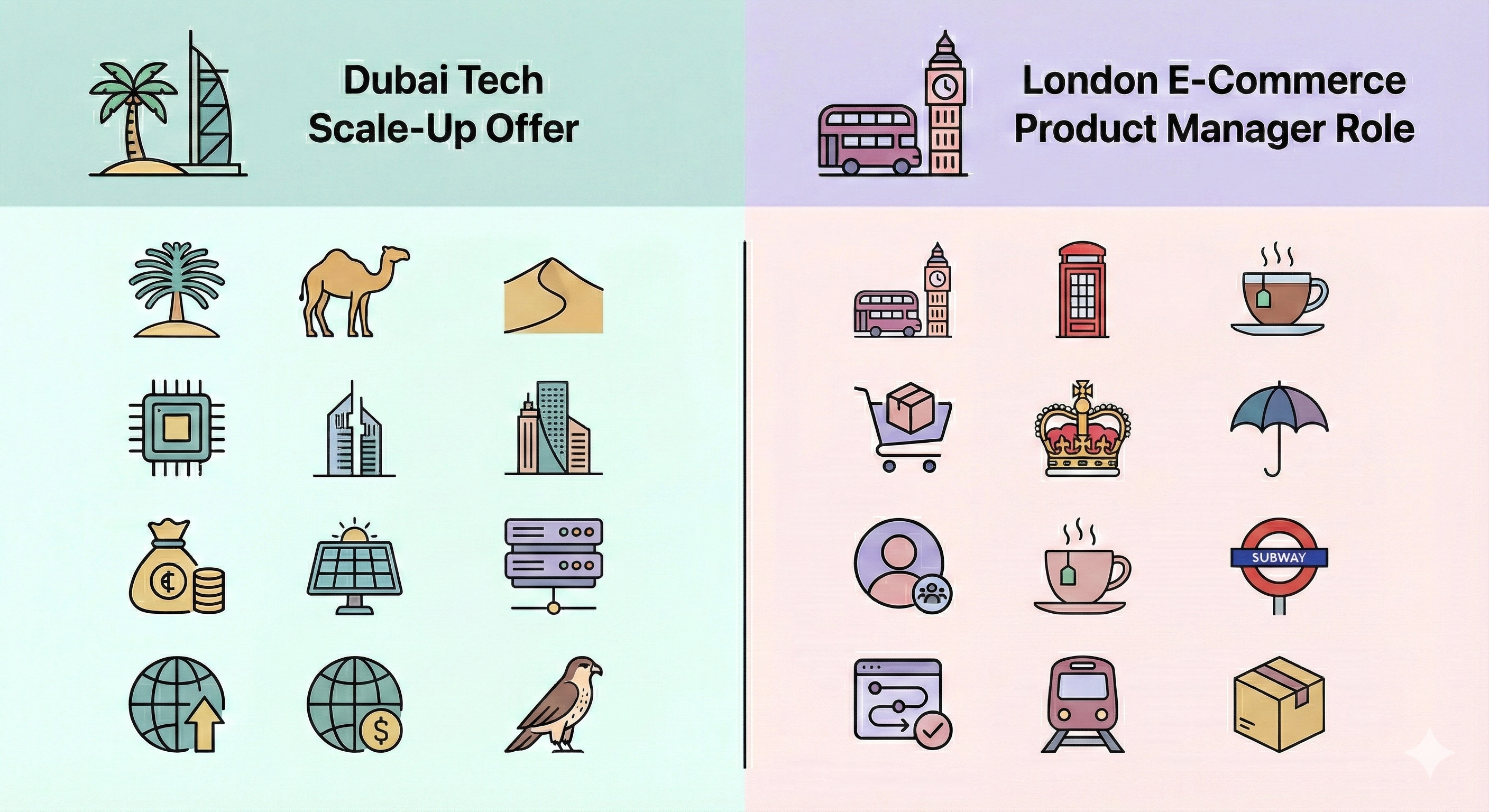
Four months, roughly 15 companies, and multiple interview loops later, she ended up in a rare position. She received two offers on the same day. One was an associate role at a tech scale up in Dubai. The other was a product manager role at ASOS, a major e commerce retailer operating across the UK and Europe.
For the Dubai interview process, she leaned heavily on Interview Query, using it as her main resource to rebuild SQL skills she had not used in years and to feel sharp again in technical conversations that determined whether she moved forward or not.
This is her story.
From analytics in India to an MBA in London
Before London, Shubhangi spent around four years working in India in analytics focused roles. Over time, she transitioned into an associate product manager position, which meant something subtle but important. Her hands on SQL usage began to shrink. Day to day, she was closer to product decisions and further from raw querying.
In 2023, she moved to London for her MBA, which ran from August 2023 to the end of July 2025. Her plan was clear. Finish the program and start a new role around August or September in a product or analytics driven role in tech.
She began actively job hunting toward the end of April and received both the Dubai and London offers on September 2nd. That translated to about four months of intense applications and interviews.
Those months were not just about technical tests. The hardest part, she says, was not even the cases or take home work. It was converting applications into interviews, then navigating conversational and leadership rounds that required practice as much as knowledge.
A tough market, 15 plus interviews, and a need for structure
Like many candidates in 2025, Shubhangi entered a market where roles were competitive, hiring was cautious, and mass applications rarely led anywhere.
She quickly realized that treating the job search purely as a numbers game did not work for her. Early on, she applied broadly. Over time, she noticed interviews felt off when her own story was not tightly aligned with the role. It was easy to sound generic.
After a few cycles, she changed her approach.
She got clearer on what she actually wanted. Roles that combined analytics, product, and strategic thinking.
She narrowed her focus so her answers felt honest and specific rather than forced to fit every job description.
That shift also changed how she networked. Instead of vague advice to network more, she took targeted actions. She messaged people who posted roles on LinkedIn, tried to get her resume directly in front of decision makers, and prioritized in person events over generic virtual ones.
Getting your resume in front of the hiring manager is the fastest way to get an interview, she shared.
By the end of the process, she estimates she had interviewed with around 15 companies in roughly four months, often across multiple rounds. Interviewing, she realized, is its own skill. One you get better at by doing.
Rebooting SQL with Interview Query
There was one major technical hurdle. She had not used SQL seriously in a long time.
Moving into an associate product manager role meant fewer hands on queries. Then came two years of an MBA, where technical skills were not the focus. By the time interviews started, she needed to brush up not only on syntax, but on how to think through data problems clearly under pressure.
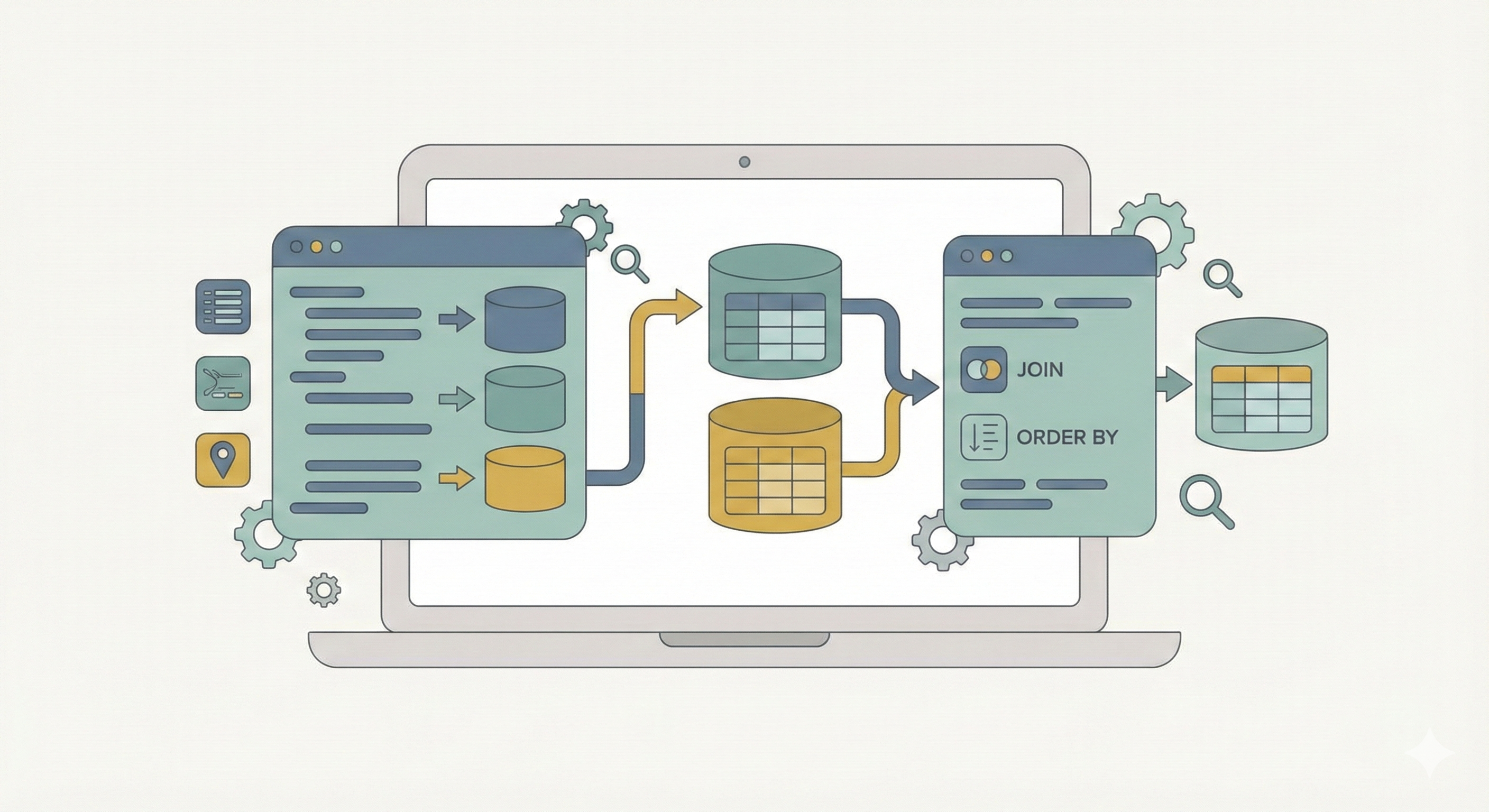
For the Dubai tech scale up role, she decided to use Interview Query Premium and focused almost entirely on SQL. What stood out to her was that the questions were not tricky for the sake of it.
“I thought the questions focused very well on logic rather than just syntax. Even when the SQL itself looked simple, there was a lot of thinking required.”
What made the practice valuable for her was how closely it mirrored real interview situations. Especially live SQL interviews where you share your screen, write queries in real time, and explain your reasoning as you go.
One moment stood out. In her actual interview, she was asked about the difference between UNION and UNION ALL. She had revisited that exact concept on Interview Query the day before, after realizing she had forgotten it. When it came up, she was ready.
She also shared candid feedback. She would have liked to see more discussion of alternative solutions and slightly more explanation of why one approach is preferred over another. She also felt a small free trial or preview could help hesitant candidates evaluate the platform.
Inside the Dubai tech scale up interview process
Shubhangi used Interview Query specifically to prepare for an associate role at a growing tech scale up in Dubai.
The process was structured and multi stage.
It began with a math and logical reasoning test, closer to GMAT style quantitative questions than a coding challenge. Only candidates who cleared this moved forward.
Next came a recruiter conversation, followed by a hiring manager interview focused on experience, motivation, and overall fit.
Then came the technical round. She was asked to share her screen and write SQL queries live. The questions were practical and intermediate in difficulty. Not designed to trick, but designed to surface gaps if fundamentals were rusty.
She describes it as exactly the level where confidence matters. Without recent practice, small things can throw you off. With practice, the same questions feel familiar rather than stressful.
After the technical interview, she received a take home case based on the company’s business. She was given anonymized data and three days to analyze it and prepare a presentation.
She completed the case using Excel, relying on pivot tables and advanced formulas. But what mattered most was not the tooling. It was the story. She had to start with an executive level overview, decide which numbers mattered for which audience, and present clear, data backed recommendations.
The final stage involved several culture and leadership conversations. These focused on motivation, values, and long term alignment. One round included senior leadership and cross functional stakeholders.
Looking back, she emphasizes the importance of authenticity. Experienced interviewers, she says, can quickly sense when someone is bluffing.
Why she chose ASOS instead
Even after clearing all rounds and receiving the Dubai offer, Shubhangi did not immediately accept.
She had another opportunity on the table. A product manager role at ASOS in London, where she had already built a life during her MBA.
The decision went beyond compensation, even with Dubai’s tax advantages.
She chose ASOS for several reasons.
She wanted to stay in London.
The role aligned closely with her previous product experience.
She saw stronger long term growth for her career in the UK at this stage.
The ASOS interview process looked different. There was no live coding round. Instead, after recruiter and manager conversations, she worked on a case presentation tied to real ASOS challenges. The focus was on margins, product trade offs, and market research rather than raw data analysis.
Leadership conversations at ASOS felt more collaborative. They were as much about ASOS explaining what they wanted to build as about evaluating her. It felt like a mutual alignment check.
Shubhangi’s advice for candidates
Looking back, a few lessons stand out.
First, clarity beats volume. Applying everywhere may feel productive, but if you cannot clearly explain why you want a role, that uncertainty shows up later. Narrowing her focus made her answers sharper and more genuine.
Second, interviewing is a skill. She does not believe most people succeed on their first attempts. Repeating interviews, telling your story again and again, is what builds confidence.
Third, targeted networking works better than generic outreach. Messaging people connected to open roles and attending in person events created more traction than online applications alone.
Finally, for technical preparation, especially SQL, she advises going beyond the basics. Practice harder questions. Understand the logic. Learn multiple ways to solve the same problem.
That is what rebuilt her confidence and allowed her technical skills to support her performance in every other round.

How Interview Query fit into her journey
Shubhangi only used a portion of Interview Query’s offerings, mainly the SQL question bank, but it was exactly what she needed at that stage.
For someone returning to technical interviews after time in product and school, the platform helped her rebuild fundamentals, practice reasoning under pressure, and feel prepared for live SQL interviews.
That preparation played a key role in securing the Dubai offer. More importantly, the confidence it gave her carried into the rest of her interviews, including the ones that ultimately led her to join ASOS as a product manager in London.
For candidates in a similar position, her story shows that focused preparation, honest self assessment, and clarity about what you want can still cut through a competitive hiring market.