
San Francisco Tech Workers Just Lost Their Weekends, Ramp Data Shows


Introduction
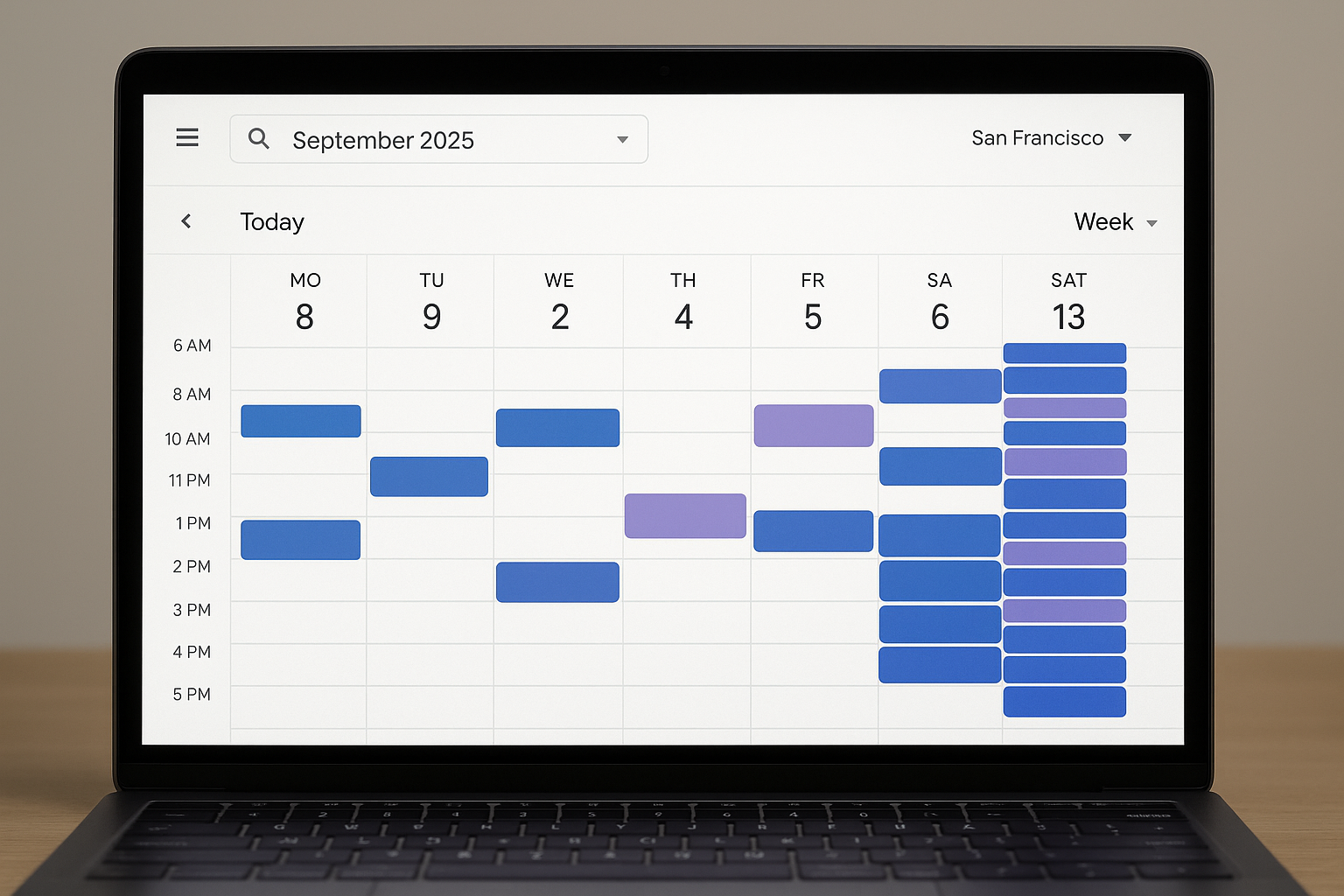
San Francisco’s work culture is starting to look a lot like China’s notorious “996” schedule: 9 a.m. to 9 p.m., six days a week. And this time, it is not just a Twitter debate. The receipts are in.
Economist Ara Kharazian at Ramp Economics Lab pulled the numbers and found a new pattern in corporate card spending. Compared to last year, there is a massive spike in restaurant, delivery, and takeout charges on Saturdays, and it is not happening anywhere else.
“This isn’t vibes anymore,” Kharazian said. “It’s quantifiable. Saturdays in San Francisco are now a workday.”
Saturdays Are the New Mondays in San Francisco
From January to August 2025, Ramp compared hourly spend data in San Francisco with the same period in 2024. The result is clear: a surge in Saturday transactions starting around noon and stretching until midnight.
The data shows:
- It is new. This weekend spike did not exist in 2023 or 2024.
- It is local. Other hubs like New York barely moved, and their small Saturday uptick looked more like late-night dinners than full workdays.
- It is widespread. Even outside of software, San Francisco businesses on Ramp saw the bump.
What Counts as “Work” on a Saturday?
The study used corporate food receipts as a proxy for work. Team lunches, office catering, and post-meeting dinners all show up in the data.
Is it perfect? No. A Saturday offsite, happy hour, or startup launch party could inflate the numbers. But across thousands of businesses, the trend lines all point the same way.
“It’s rare to see a new cultural pattern pop up so sharply in spending data,” Kharazian said. “The Saturday surge is doing all the work.”
Why It Matters
For years, critics have said San Francisco lost its hustle. Tech layoffs, remote work, and quiet offices painted the picture of a slowed down city. Ramp’s analysis suggests the opposite: a return of hustle culture that may be pushing too far.
If “996” really is taking hold, the implications are big:
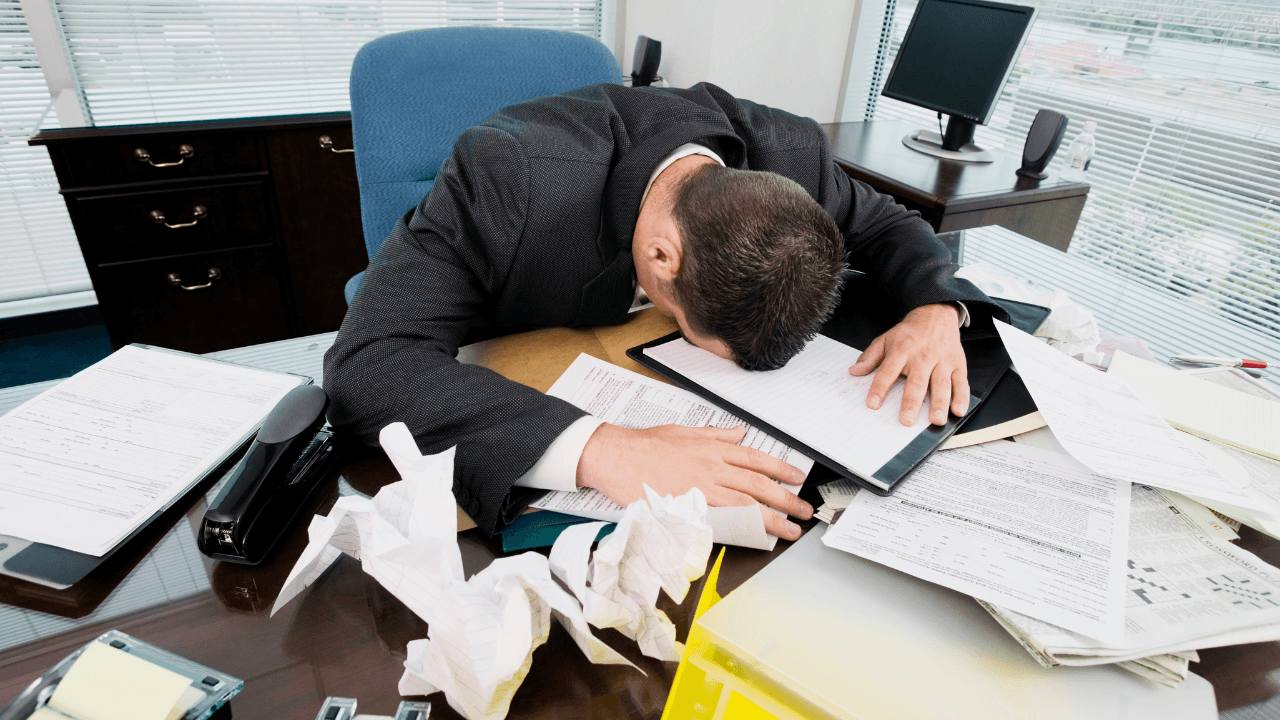
- Employee burnout. A sixth workday means fewer weekends and more turnover risk.
- Cultural shift. Unlike China, the Bay Area has never embraced codified extreme schedules.
- Signal for startups. A weekend work spike could mean AI, venture capital, and founder pressure are reshaping norms in real time.
But Hold On—Is This the Whole Story?
Even Ramp admits the data is not airtight. The company’s clients are skewed toward tech-forward firms, which may exaggerate the trend. And meals are not the same thing as actual hours worked.
Still, the numbers are hard to ignore. San Francisco now has a measurable Saturday signature in its corporate spending data that no other city shows.
The Bottom Line
If you have felt like the Bay Area is buzzing again on the weekends, you are not imagining it. San Francisco’s tech workers did not just lose their Fridays. They just lost their Saturdays too.
Weekends aren’t the only thing disappearing in tech. Entry-level jobs are too. If you want to understand why the bar to break in keeps rising, and what to do about it, the video below has the full story.