

Data Engineer Career Path: Skills, Salary, and Growth Opportunities in 2025


Overview
Data engineering is no longer a niche specialty — it’s now one of the most in-demand roles in tech. With the rise of AI, big data, and cloud infrastructure, more people than ever are asking how to get started and grow a long-term career as a data engineer.
Whether you’re just getting started or looking to level up, this guide covers everything you need to know about pursuing a data engineering career path — including job duties, required skills, salary expectations, and the full roadmap from entry-level to leadership.
To see why demand continues to climb, check out Why Data Engineering Demand Is Off-the-Charts (And Won’t Slow Down Anytime Soon).
What is a Data Engineer?
A data engineer builds and maintains systems that collect, clean, and store data for analysis. At the heart of the role is building reliable pipelines that transform raw data from multiple sources into structured formats for business intelligence, machine learning, and analytics.
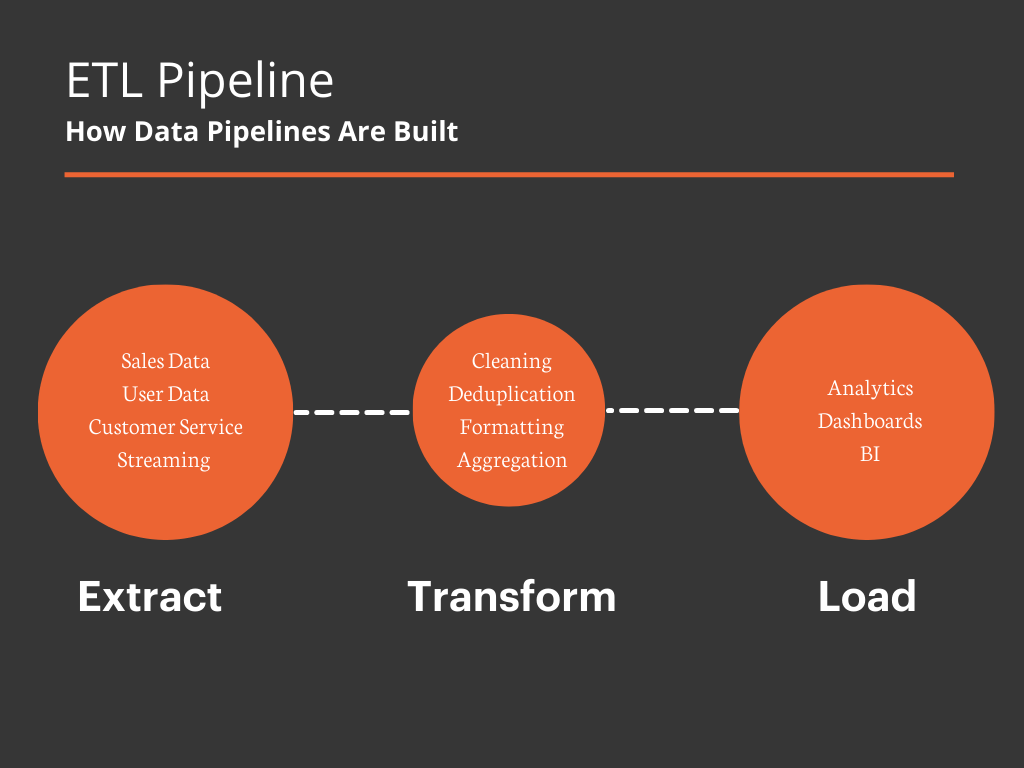
The process data engineers follow is often called ETL, which stands for Extract, Transform, Load. This involves extracting data from tools like CRMs, databases, APIs, and sensors, transforming it into clean, usable formats, and loading it into warehouses like Snowflake, BigQuery, or Redshift.
Ultimately, data engineers enable downstream teams — like analysts and data scientists — to make smarter decisions by building high-quality, scalable data infrastructure.
Data Engineer Job Outlook: 2025 and Beyond
If you’re wondering whether data engineering is a good career in 2025, the answer is a resounding yes.
Data engineer job growth has consistently outpaced most tech roles. As more companies invest in AI, machine learning, and advanced analytics, the need for robust data infrastructure is growing rapidly.
According to Interview Query’s job trends, data engineering roles are growing at 15 to 20 percent annually. New grads and career switchers are entering the field through bootcamps, self-taught routes, or by transitioning from software and analyst roles. Titles like big data engineer, lead data engineer, and data architect are evolving in demand and specialization. From an entry-level data engineering role to leadership, there’s a wide and dynamic range of progression ahead.
What Does a Data Engineer Do?
While the exact role depends on company size and industry, most data engineering job descriptions involve building and managing data pipelines, creating and optimizing ETL workflows, designing data warehouses and data lakes, developing integrations between internal and external systems, ensuring data quality and governance, and collaborating with analysts, scientists, and software engineers.
Startups may expect engineers to wear many hats — from infrastructure setup to analytics support — while larger organizations focus the role more narrowly on pipeline architecture and platform scalability.
How Much Do Data Engineers Make?
Salary is one reason many are interested in data engineering careers. Entry-level data engineers, on average, earn in the low six-figures, while senior and managerial-level data engineers command upwards of $200,000.
Typically, a data engineer’s salary is dependent on a few factors, including the industry, career level and location. Here is a look at average data engineer salaries by career level:
Seniority can increase the pay of a Data Engineer. Here are the base salaries of a Data Engineer grouped into 6 seniority categories.
- Executive average base salary is $99,000
- Manager average base salary is $137,136
- Senior (6+ years of experience) average base salary is $129,198
- Mid-Level (2-5 years of experience) average base salary is $125,289
- Entry Level (0-1 years of experience) average base salary is $101,164
- Intern average base salary is $50,000
What Skills Do You Need to Become a Data Engineer?
Breaking into the field takes technical know-how and a clear understanding of the data engineer study path.
Most data engineers hold degrees in computer science, software engineering, data science, or statistics. However, more professionals today are entering the field via bootcamps, certificates, or career transitions from software engineering or data analysis.
To stand out, you’ll want to develop proficiency in SQL and NoSQL databases, programming languages like Python, Scala, or Java, cloud platforms such as AWS, GCP, or Azure, ETL frameworks like Airflow or dbt, and data warehousing tools including Redshift or Snowflake. Familiarity with APIs, data modeling, and schema design is also important.
Success in the role also depends on soft skills like communication, collaboration, and the ability to align technical solutions with business goals. Being able to translate data requirements into pipeline architecture is critical.
To see how hiring managers think about entry-level engineers, check out this breakdown by Seattle Data Guy on hiring junior data engineers.
The Data Engineer Career Roadmap
Here’s what the data engineer career path looks like at each stage.
At the entry-level or junior stage, typically within the first two years, data engineers focus on maintaining existing pipelines, debugging issues, and learning under the guidance of more experienced team members.
Mid-level data engineers, with two to five years of experience, take on more ownership by building pipelines end-to-end, collaborating with product and analytics teams, and optimizing for performance and scalability.
Senior data engineers, with over five years of experience, lead the design and architecture of data platforms, define strategy, and mentor junior engineers. They often work cross-functionally to guide company-wide data initiatives.
Beyond the senior level, professionals can move into roles such as data architect, manager of data engineering, or even chief data officer. These roles involve a mix of technical leadership, hiring, strategic planning, and business alignment.
What Comes Next?
Many data engineers are content in the senior-level technical role, continuing to design and build data infrastructure. But there are many options for those looking for something new. Senior-level data engineers might transition to:
1. Chief Data Officer – This executive-level role takes responsibility for data across an entire company, creating strategy, overseeing data governance and taking a more proactive role in analysis and business intelligence. This is a more business-focused role, with the goal of aligning data to business strategy.
2. Manager of Data Engineering – Many senior-level engineers transition to a more managerial role, overseeing a company’s data engineering department. This job is part-developmental, part-managerial. Managers provide leadership to a team of data engineers, helping to coach, vet and drive the vision of the department. Managers also focus on growing the data engineering team, taking a proactive role in hiring decisions, mentoring and overseeing performance.
3. Data Architect – Data architects work closely with data engineers. Essentially, the data architect provides the blueprint to the engineering department, which is a roadmap for building advanced data models and pipelines. This is a business-oriented role: Data architects have a strong grasp of the business’s direction and strategy and help design pipelines that are aligned to specific needs.
4. Data Science Engineer – Sometimes called a full-stack data scientist, the data science engineer is a hybrid role: Part engineer, part scientist. A full-stack data scientist builds and maintains pipelines while also ensuring that actionable business insights can be derived from the model.
Career Growth and Specialization
After reaching a senior level, many data engineers specialize in areas like data platform engineering, streaming infrastructure, ML engineering, or cloud DataOps. Others pivot to business leadership or technical mentorship roles.
There’s also growing interest in aligning data engineering with broader company goals such as operational efficiency, product development, and AI readiness.
Ready to Start Your Data Engineering Journey?
Explore these curated resources to build your skills and accelerate your path:
- Data Engineering Learning Path
- Top-Rated Database Design Interview Questions
- Data Engineering Job Board
- Coaching + 1:1 Mock Interviews
Also check out: