

AI Might Write Your Code, But It Still Needs a Babysitter


The Hype Around AI Coding Assistants
The hype around AI coding assistants has reached a fever pitch. Anthropic claims its new Claude model coded autonomously for more than 30 hours on a startup project. OpenAI has rolled out GPT-5 Codex. And Stanford researchers say AI tools now solve 72% of coding problems, up from just 4% the year before.
That sounds like a revolution. But here’s the truth the headlines don’t tell you: AI code still needs human babysitters.
Why AI Alone Isn’t Enough
The buzzword of the year is “vibe-coding” — letting AI handle the tedious parts of programming while humans focus on big ideas. It works great in demos. But in real-world production environments? Not so much.
According to Gartner analyst Philip Walsh, the quality, robustness, scalability, and security of AI-generated code simply aren’t there yet. AI can crank out lines of code faster than any junior developer, but without an experienced engineer to review, test, and patch, those lines can introduce bugs, vulnerabilities, and architectural messes that cost companies far more later.
The Myth of Replacing Junior Developers
Some executives see AI as a chance to cut costs by skipping entry-level hires. Why train a 22-year-old when Claude can scaffold an entire app in minutes?
But economists are already seeing the fallout. Stanford’s research shows early-career employment is dropping sharply in AI-exposed sectors. That means fewer young engineers entering the pipeline — and a looming shortage of experienced engineers down the road. Walsh noted that these tools don’t empower non-engineers, they reward highly skilled professionals who already know what “good” looks like. In other words, you can’t vibe-code your way to a secure banking system.
The Babysitter Role Is the Future
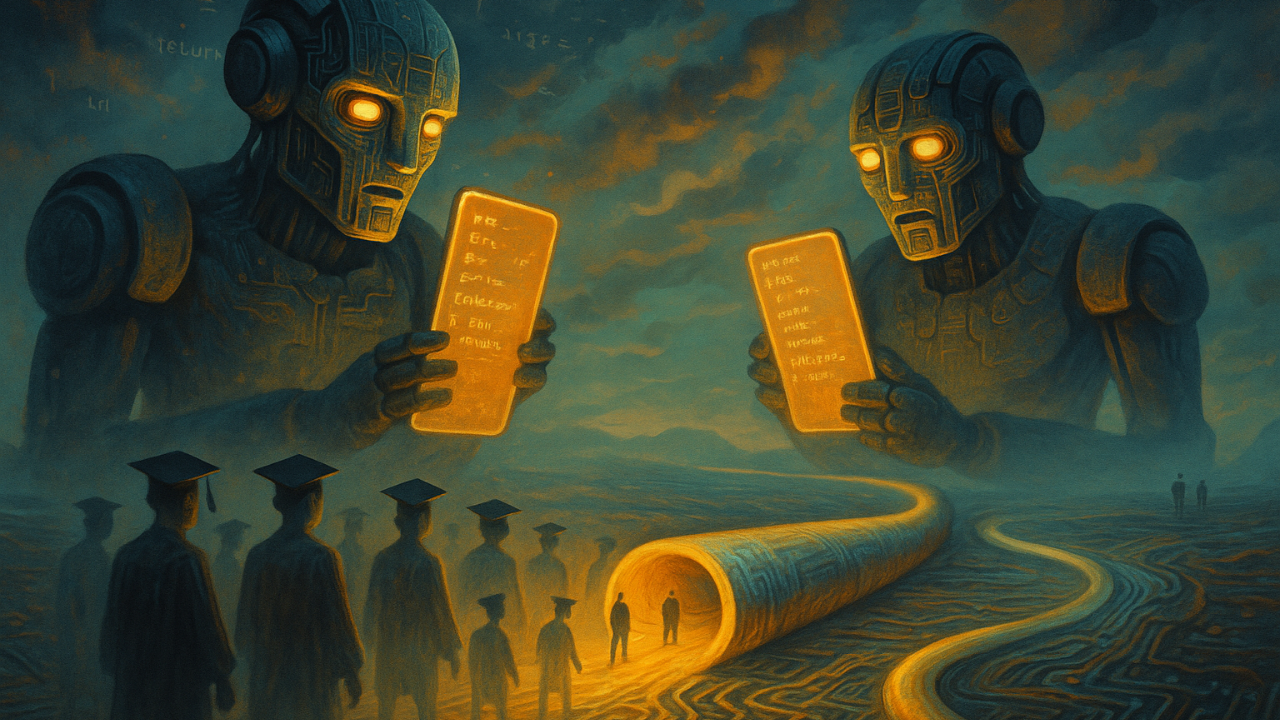
Even Anthropic admits engineers can’t hand everything over to bots. Cat Wu, a project manager for Claude Code, said she tells her younger sister—still in college—that software engineering is worth studying. AI will make her faster, Wu explained, but it’s still important to understand the building blocks because the AI doesn’t always make the right decisions.
That’s the new reality. Engineers aren’t being replaced; they’re being recast. Instead of typing every semicolon, developers will increasingly act as curators, reviewers, and coordinators—making sure the AI’s code is correct, safe, and aligned with business needs.
The Bottom Line
AI may soon handle most of the Java boilerplate and autocomplete functions that used to bog developers down. But the idea that code can be left to machines without human oversight is a dangerous illusion.
Because at the end of the day, AI might write your code — but it still needs a babysitter.