
Demand for AI Engineers in 2026 and Beyond: Market Trends, Skills & Opportunities


Introduction: Why AI Engineers Are in Demand
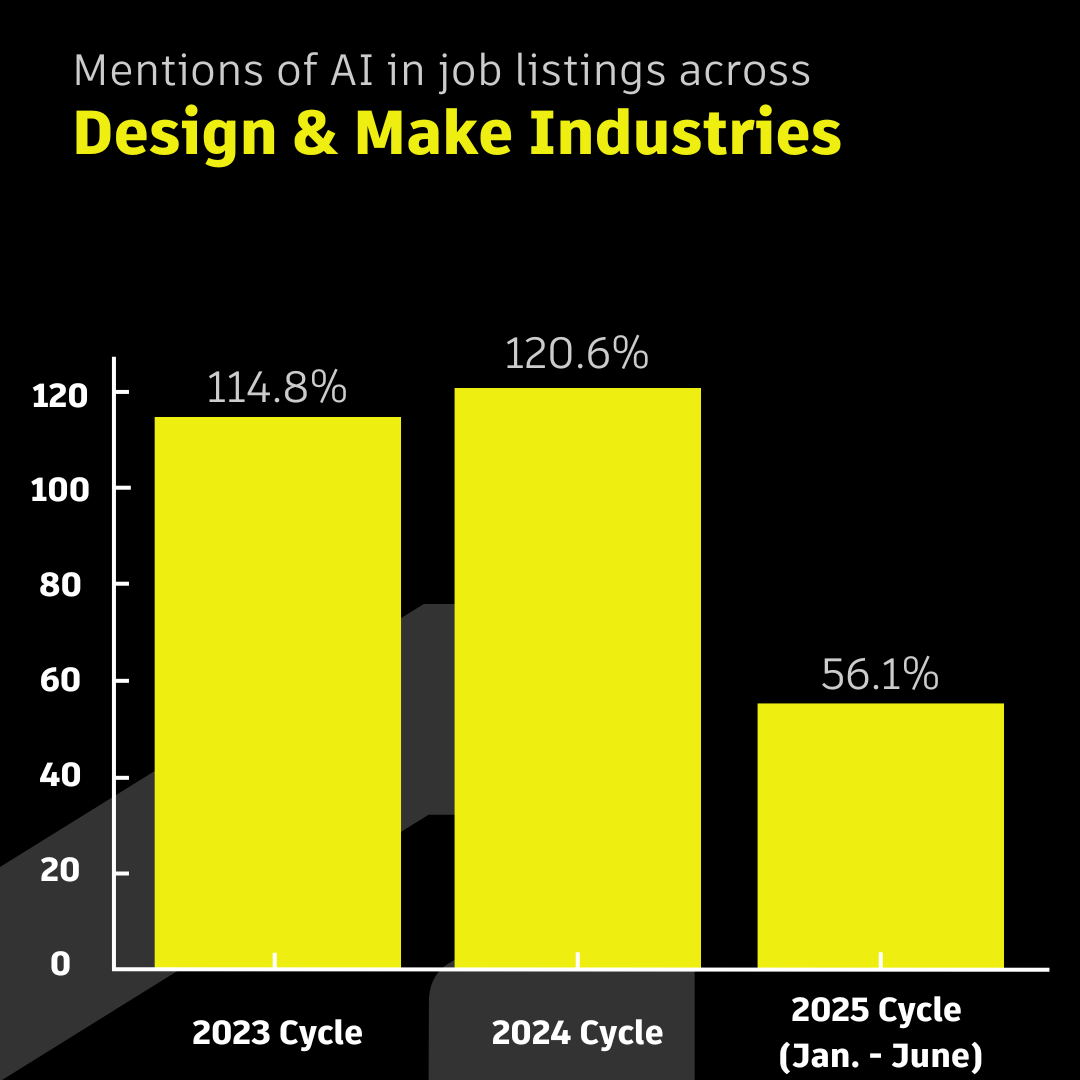
AI has moved from experimental labs to the center of business strategy. A survey of U.S. job postings found that mentions of “AI” in general listings grew 114.8% in 2023 and 120.6 % in 2024, reflecting a broad surge in AI‐related hiring. At the same time, over 78% of organizations report using AI in at least one business function, up from 55% in the previous year. This rapid adoption creates a new class of technical job: the AI engineer, a professional who can build, deploy, and maintain AI systems at scale. This blog maps the size of the AI‐engineering market, explain the skills that employers need, highlight industry‐specific opportunities, and provide guidance for building a career in this fast‑moving field.
The Exploding AI Market: How Big Is the Opportunity?
A Trillion-Dollar Market: AI’s Global Growth Snapshot
The business case for AI engineering is underpinned by a market that has grown from experimentation to multi‑billion‑dollar deployments. Grand View Research estimates that the global AI market was worth US $279.22 billion in 2024 and forecasts it to reach US $3.5 trillion by 2033, a compound annual growth rate (CAGR) of 31.5%. Private investment reflects this trajectory: the Stanford AI Index reports that U.S. private investment in AI reached US $109.1 billion in 2024, while global funding for generative‑AI companies jumped to US $33.9 billion.
AI‑engineering opportunities span multiple technologies, industries, and role types:
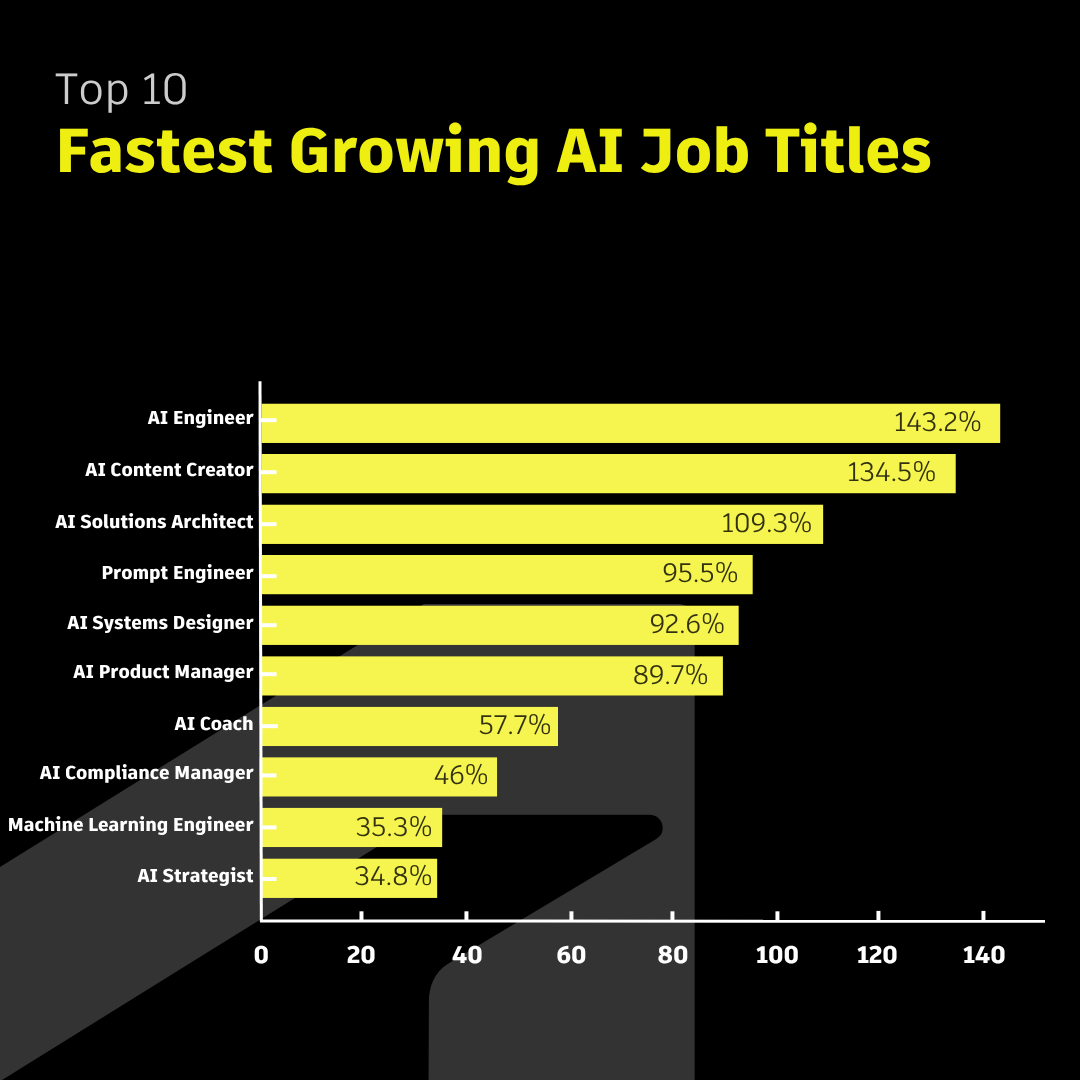
- Technologies/solutions: generative AI and large language models, computer vision, natural‑language processing, reinforcement learning, and edge AI. The McKinsey Report shows particularly strong growth in generative‑AI roles such as Prompt Engineer (+95.5% year‑over‑year) and AI Content Creator (+134.5%).
- Industry verticals: healthcare, finance, automotive & mobility, manufacturing, retail, and telecom are all scaling AI production systems. As discussed later, healthcare organizations adopted domain‑specific AI tools 7× more often in 2025 than in 2023, while automotive OEMs are deploying AI for advanced driver‑assistance, predictive maintenance, and in‑vehicle digital experiences.
- Roles and maturity: the label “AI engineer” spans entry‑level ML engineers and data analysts working with AI, mid‑level AI engineers who build and deploy models, and senior roles such as AI infrastructure engineers, prompt engineers, and AI architects. The Simplilearn career guide notes that breaking into AI often begins with internships and entry‑level roles (junior AI engineer, ML engineer, or AI‑focused data analyst).
- Organization size: start‑ups prioritise rapid prototyping and domain specialization, while large enterprises and cloud providers focus on scaling, governance, and MLOps. Both segments are hiring AI engineers; the Mcreport observed that Asia’s AI job listings grew 94.2 %, slightly ahead of North America’s 88.9 %.
What’s Fueling the AI Talent Boom?
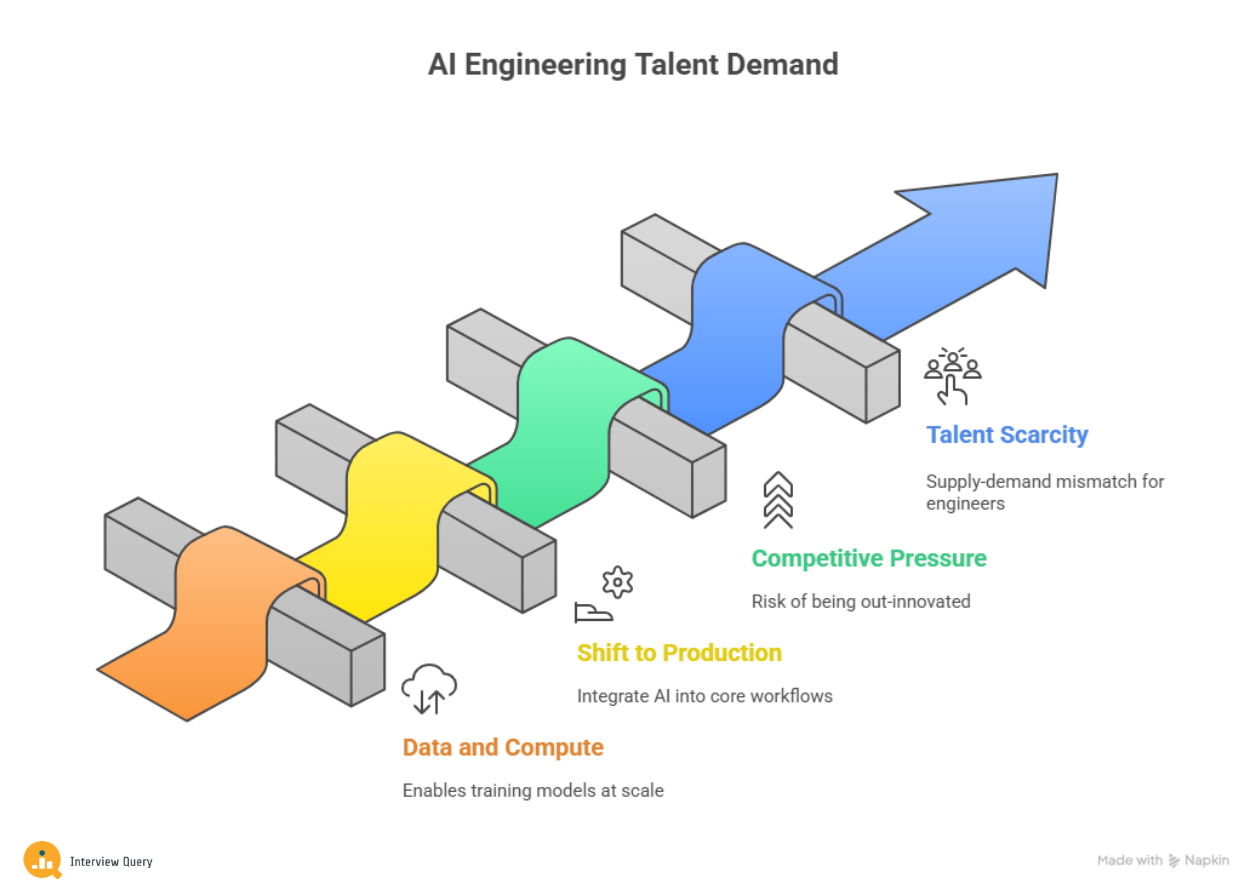
Several forces are fueling demand for AI engineering talent:
- Explosion of data and compute: abundant data and affordable cloud compute enable companies to train models at scale.
- Shift from research to production: organizations are no longer asking whether to adopt AI but how to integrate it into core workflows. The AI Index shows that 78% of companies are already using AI in at least one function.
- Competitive pressure: companies without AI risk being out‑innovated. Job postings requiring AI skills grew 73% from 2023 to 2024 and 109% from 2024 to 2026.
- Talent scarcity: There is a supply‑demand mismatch for AI engineers. A report on India’s workforce found that the country had only one qualified generative‑AI engineer for every ten open roles, and that overall AI demand was met by just 49% of the available talent pool. Salaries for generative‑AI roles in India are 15–20% higher than traditional AI/ML roles.
To visualize how general job‑listing mentions of AI have skyrocketed, the chart below summarizes growth reported in Autodesk’s AI Jobs Report.
Source: autodesk.com
Where the Jobs Are: AI Opportunities Across Major Industries
| Industry | AI Adoption Stats | Key AI Use Cases | What AI Engineers Must Know |
|---|---|---|---|
| Healthcare | 22% of orgs using domain-specific AI in 2025 (7× increase YoY); US$1.4B in AI spending | Medical imaging (CV), genomics, personalized medicine, workflow optimization, predictive scheduling | HIPAA compliance, data privacy, model interpretability, clinical risk |
| Finance | 90% of finance functions to deploy AI by 2026 (Gartner) | Fraud detection, credit scoring, risk modeling, trading algorithms, chatbots | Regulatory compliance, explainability, fairness, risk modeling |
| Automotive & Mobility | Rapid adoption of edge AI + digital features (McKinsey) | ADAS, predictive maintenance, in-vehicle assistants, infotainment personalization | Sensor fusion, real-time constraints, safety-critical systems |
| Manufacturing & Retail | Industry 4.0 accelerating automation & robotics | Predictive maintenance, demand forecasting, CV quality control, recommendations, dynamic pricing | Robotics integration, supply-chain logic, operations & logistics |
Are AI Engineers in Demand?
AI engineering is a global phenomenon, but talent availability and salaries vary by region. The Autodesk Jobs Report showed that AI job listings grew fastest in Asia (94.2%) and North America (88.9%). Yet major talent gaps remain: India’s workforce meets only 49% of AI demand and has just one generative‑AI engineer for every 10 open roles.
Remote work further broadens the talent pool. Many companies hire AI engineers across borders or allow hybrid arrangements. However, compensation is often adjusted for cost of living and local wage norms. Candidates should clarify location policies, tax implications, and time‑zone expectations when considering remote roles.
Source: autodesk.com
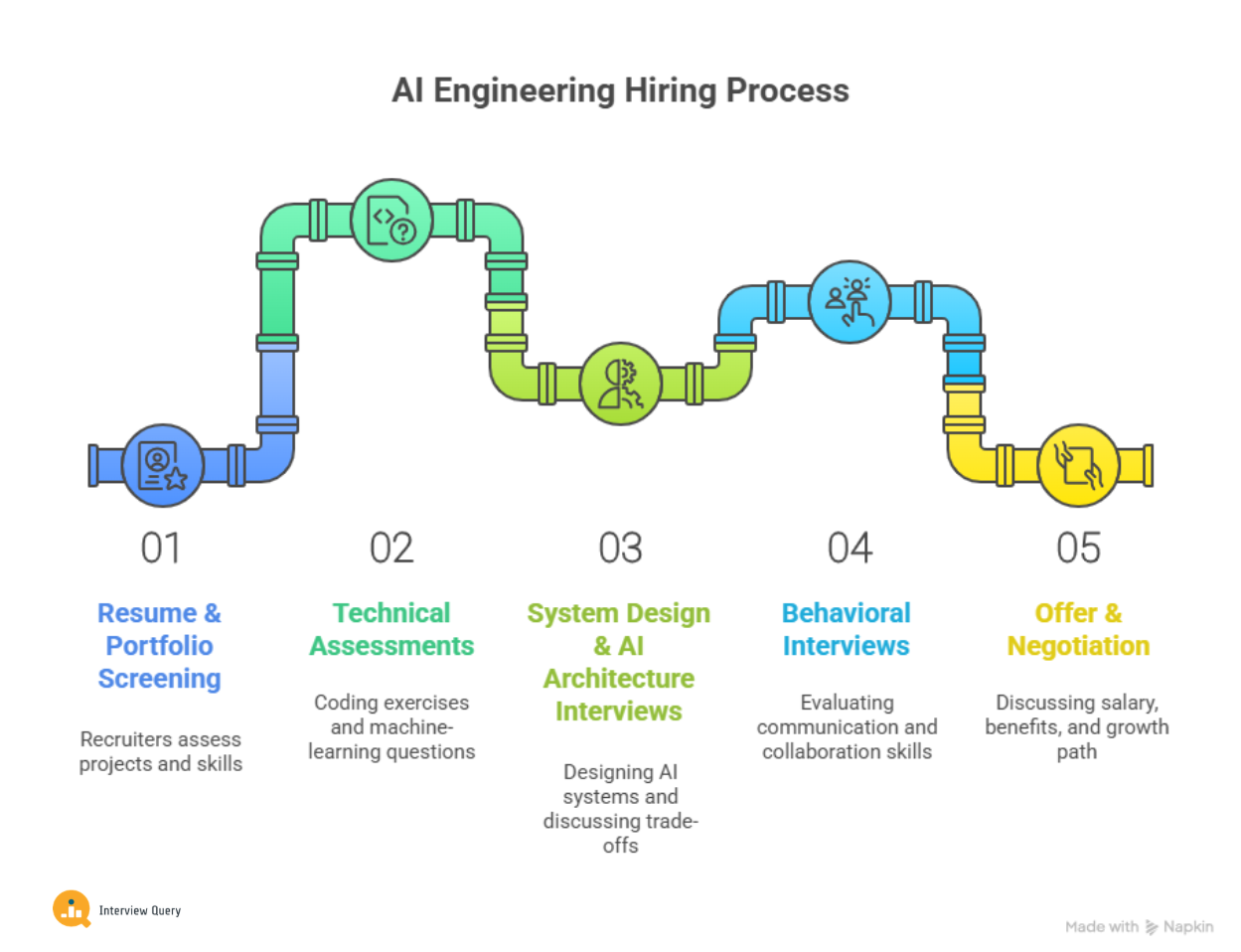
Navigating the AI Engineering Hiring Process
Who’s Leading the AI Race? Companies, Funding & Market Share
The employer landscape is diverse. Big‑tech companies (OpenAI, Google, Meta, Amazon, Microsoft) hire AI engineers for frontier research and large‑scale deployment, offering high compensation and access to cutting‑edge infrastructure. Cloud providers (AWS, Azure, Google Cloud) recruit engineers to build AI platforms and infrastructure services. Enterprises in healthcare, finance, automotive, and retail are building in‑house AI teams to gain a strategic advantage. Menlo Ventures reports that healthcare AI spending nearly tripled to US $1.4 billion in 2025, while the Stanford AI Index notes that U.S. private AI investment reached US $109.1 billion, signalling robust funding.
AI talent remains concentrated in a handful of hubs, but the rise of remote work has blurred geographic boundaries. Candidates should consider the trade‑offs between start‑ups (fast pace, equity upside) and large enterprises (stability, structured career paths) when choosing employers.
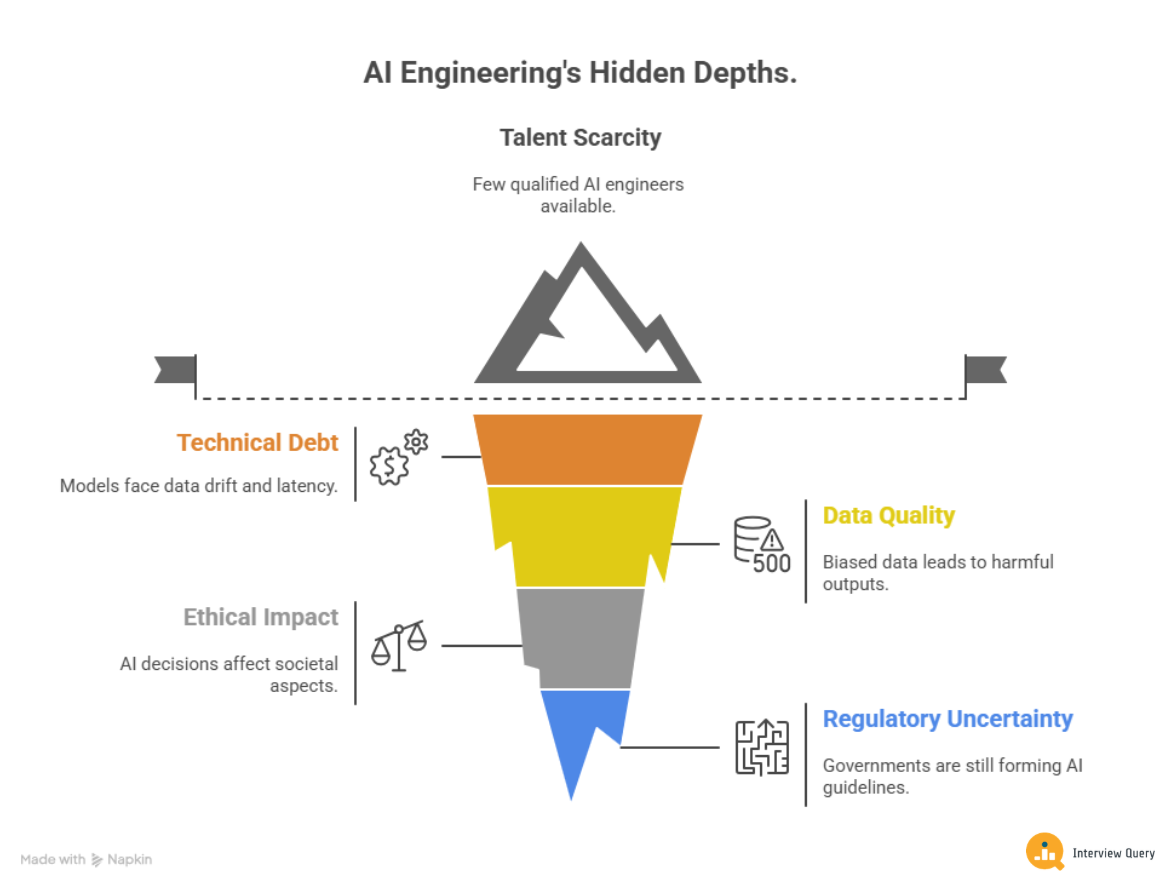
The Hard Problems: Challenges, Risks & Ethical Questions in AI Engineering
Why AI Engineering Will Stay Hot for the Next Decade
Demand for AI engineers is surging because AI is moving from pilots to production across every major industry. The global AI market is on track to exceed US$3 trillion by 2033, and organisations are investing record amounts. This growth, coupled with a persistent talent shortage, means skilled AI engineers will remain highly sought after for at least the next decade. Salaries are elevated, often exceeding US$200K for experienced engineers, and specialised areas such as generative AI command even higher premiums.
To thrive in this environment, aspiring AI engineers should:
- Master core technical skills (Python, ML/DL, data engineering, MLOps) and build a track record of deploying models into production.
- Cultivate soft skills, design thinking, communication, and leadership, highlighted as top requirements in job listings.
- Develop a domain focus (e.g., healthcare, finance, mobility) to differentiate yourself and deliver business impact.
- Stay curious and ethical: continuously learn, monitor new research and uphold fairness, transparency, and privacy.
The AI revolution presents a tremendous opportunity for engineers who can bridge cutting‑edge technology with real‑world applications. By investing in the right skills, projects and networks today, you will be prepared for an exciting and impactful career tomorrow.
AI Salary Trends, Compensation Negotiation & Equity Gaps
Salaries for AI engineers are among the highest in technology. According to Coursera salary guide, the median U.S. base salary for AI engineers was US $134,023, while the Bureau of Labor Statistics reported a slightly higher median of US $145,080. Another survey found projected job growth of 26 % between 2023 and 2033. Levels.fyi’s compensation data highlights that AI‑focused software engineers earned an average US $245,000 in total compensation, with median packages peaking at US $295,000 in March 2024, dipping to US $228,500 in January 2025, and recovering to US $277,000 by March 2025.
AI salaries rise with experience. Coursera’s breakdown shows how pay scales from US $103,015 for 0–1 years of experience to US $185,709 for 15+ years. The chart below illustrates this progression.
Negotiation tips and equity considerations
- Know the market: use the benchmarks above to determine your salary range, adjusting for region and role level. In Asia, generative‑AI roles command salaries 15–20% higher than traditional AI/ML roles.
- Highlight impact: emphasise projects that deliver business value (e.g., improved accuracy, reduced latency, or cost savings) rather than just model accuracy.
- Ask about equity: particularly at start‑ups and high‑growth companies. Understand vesting schedules, refresh grants, and tax implications.
- Consider total compensation: base salary, bonus, equity, benefits, education budgets and remote‑work flexibility.
- Be prepared to negotiate: gather competing offers and be ready to explain your unique blend of skills (domain expertise, MLOps experience, generative‑AI knowledge).
FAQs
What skills are most in demand for AI engineers?
Employers look for programming proficiency (Python, TensorFlow/PyTorch), machine‑learning expertise, data‑engineering and MLOps skills, plus soft skills such as design thinking, communication, and leadership
What skills do AI engineers need in 2026?
Technical excellence remains the foundation of AI engineering, but human‑centered skills are increasingly valued. The Autodesk report found that design skills surpassed coding as the top skill demanded in AI‑related listings, with communication, leadership, and teamwork also ranking highly. Simplilearn’s guide echoes this, noting that AI engineers require deep knowledge of Python, machine learning, deep learning, data pipelines, and cloud deployments.
| Skill category | Examples/tools | Notes |
|---|---|---|
| Programming & ML | Python, TensorFlow, PyTorch, Scikit‑learn | Core technical stack for modelling and experimentation |
| Data & MLOps | SQL, ETL pipelines, Docker/Kubernetes | Building scalable data flows and deploying models |
| Generative AI | Prompt engineering, LLM fine‑tuning | Rapidly growing specialisation with high salary premiums |
| Soft skills | Design thinking, communication, leadership | Highlighted by the Autodesk Jobs Report as top skills |
How much do AI engineers earn in 2026?
AI engineer salaries range from $100K to $185K+ depending on experience, with senior engineers and generative-AI specialists surpassing $250K–$300K in total compensation. Salaries vary by location, industry, and company size, with big tech and cloud providers offering the highest packages. Compensation also increasingly includes equity.
Do I need a degree to become an AI engineer?
A bachelor’s degree in computer science, data science, or engineering is helpful but not strictly required. Many engineers break in through bootcamps, online courses, certifications, and strong project portfolios. What matters most is demonstrable skill in building and deploying AI systems.
Hiring managers want proof that candidates can deliver real‑world AI solutions. Simplilearn recommends participating in internships and entry‑level roles to gain hands‑on experience. Here are strategies for building a portfolio that resonates:
- Complete end‑to‑end projects: Choose a domain (e.g., healthcare, finance or mobility) and build projects that span data collection, feature engineering, model training, deployment and monitoring. Document assumptions, trade‑offs, and results in a README.
- Demonstrate production readiness: show that your models run as APIs or microservices (Docker/Kubernetes); include metrics such as latency, throughput, and cost.
- Use GitHub & blogs: Host code publicly and write blog posts that explain your thought process, architecture, and business impact.
- Highlight domain expertise: Tie projects to industries that interest you, e.g., predictive maintenance for motorcycles or fraud detection for fintech. Employers value domain knowledge alongside technical skill.
- Optimize your resume: Use bullet points with action verbs; quantify impact; align keywords with the job description; and include links to your portfolio. Keep it concise (one page is often enough).
What tools do AI engineers use daily?
Common tools include Python, TensorFlow, PyTorch, Scikit-learn, LangChain, Docker, Kubernetes, Airflow, and cloud platforms like AWS, Azure, or GCP. For generative AI, engineers increasingly work with vector databases (FAISS, Pinecone), LLM APIs, and fine-tuning frameworks.
How do AI engineers differ from data scientists?
Data scientists focus on analytics, modeling, and experimentation, while AI engineers focus on productionizing models, deployment, MLOps, scaling, monitoring, and integration. Increasingly, companies treat AI engineering as a more engineering-heavy specialization.
What kind of growth is there in the AI Engineer Path?
Entry‑level and early career
Breaking into AI engineering typically starts with internships and junior roles. The Simplilearn guide emphasises applying for internships to gain exposure to real‑world data and industry tools and lists entry‑level roles such as Junior AI Engineer, ML Engineer, AI‑focused Data Analyst, and Applied Scientist Assistant. Networking (optimizing your LinkedIn profile, connecting with recruiters, attending hackathons, and webinars) and practising coding and ML interview questions are crucial steps.
Mid‑level to senior roles
After 3–5 years, AI engineers often transition into mid‑level roles, taking ownership of end‑to‑end pipelines and deploying models at scale. Senior engineers design architectures, mentor teams, and drive MLOps initiatives. Levels.fyi data show a significant pay jump from mid‑level to senior positions; median total compensation for AI engineers peaked near US$295,000 in early 2024.
Leadership & specialized paths
Seasoned AI engineers may move into principal engineer, AI architect, or head‑of‑AI positions. Others specialise in areas such as generative AI, AI research, MLOps, or ethics. Responsible AI leadership is becoming a career track; engineers who champion fairness, transparency, and accountability will play a pivotal role in shaping regulations and trust. Continuous learning, attending conferences, reading papers, and experimenting with new frameworks, is essential to remain relevant.